What Are Springtails Used For? Clean-Up Crews, Feeders, and Soil Bioindicators
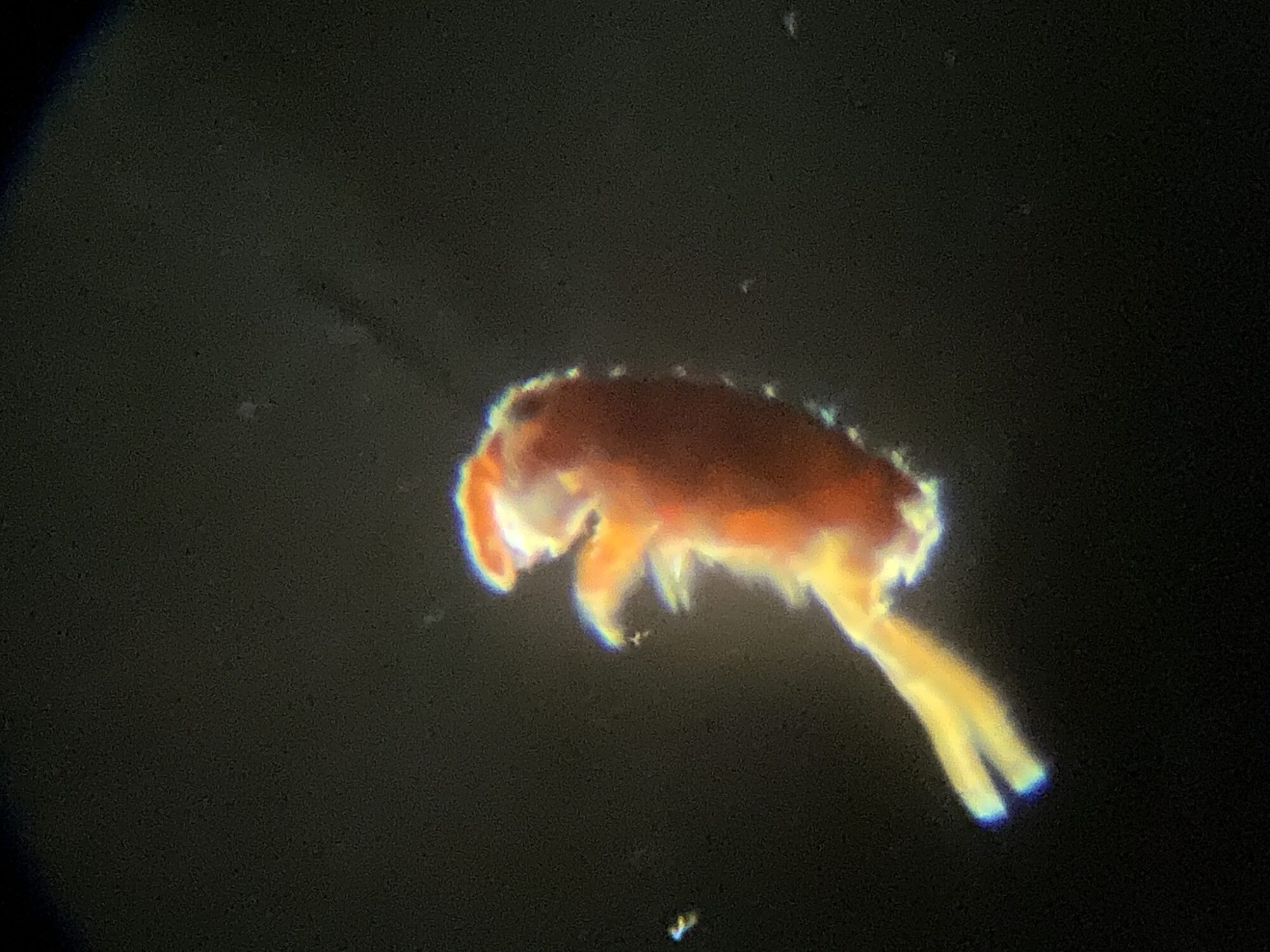
Springtails (order Collembola) are tiny, wingless soil arthropods that play outsized roles in both natural ecosystems and human endeavors. Often under 2 mm long, they are among the most abundant of all soil animals – a single cubic foot of rich soil could harbor up to 100,000 springtails. With over 700 species in North America (and thousands worldwide) ranging from pale white to fiery oranges and spikey blues with yellow tips, springtails have attracted the interest of hobbyists and scientists alike. Despite their size, these ancient hexapods (they older then insects!) have proven incredibly useful to humans. Enthusiasts know them as “clean-up crew” critters in bioactive terrariums and as micro feeder insects, while researchers use them as indicators of soil health and even inspiration for new technologies. Below, we explore all the ways springtails are currently used, from pet hobby applications to agriculture and science. The most popular and relevant to everyday life uses of springtails is their role as “clean-up crews” in bioactive vivarium’s and terrariums.
Springtails as Bioactive Clean-Up Crews

In the world of reptile and amphibian keeping bioactive setups are king, and springtails are more than a background detail — they’re part of the foundation. Whether you’re building a tropical dart frog habitat or a desert microcosm, springtails are often the first mesofauna added and the last ones standing. Their role as tiny custodians in vivariums is one of the most widespread and practical uses for Collembola today.
Inside these naturalistic enclosures for reptiles, amphibians, or invertebrates, springtails act as a full-time sanitation crew. They consume decomposing plant matter, fallen leaves, shed skin, feces, and other organic debris before it has a chance to rot or foul the environment. More than just waste-eaters, springtails also suppress mold by feeding on fungi and competing with it for food and space. Their presence often prevents fungal blooms from ever gaining traction, which helps maintain a cleaner, safer terrarium.
This mold control is more than cosmetic. In humid enclosures, fungal outbreaks can become dangerous for both animals and plants. Springtails serve as a biological buffer, outcompeting unwanted growths and reducing the need for manual cleaning or chemical antifungals. As they digest waste and fungi, they excrete nutrients back into the soil. These recycled minerals become available to plant roots, enriching the substrate and driving plant growth through a process of natural nutrient cycling.
They also improve the physical structure of the substrate. Their constant crawling and burrowing contribute to micro-scale aeration, mixing organic and inorganic particles and helping maintain a loose, breathable soil layer. While you won’t see deep tunnels like those of earthworms, but the cumulative effect of hundreds of springtails moving through the soil is tangible — better drainage, improved oxygen exchange, and healthier roots.
Springtails can even play a subtle role in pest control. By consuming decaying matter and fungi, they remove the food sources that typically attract nuisance organisms like mites or fungus gnats. A well-established colony of springtails may suppress fungus gnat populations by devouring the very fungi that gnats rely on. Hobbyists often report that a thriving springtail culture keeps their enclosures cleaner and calmer without resorting to chemical solutions.
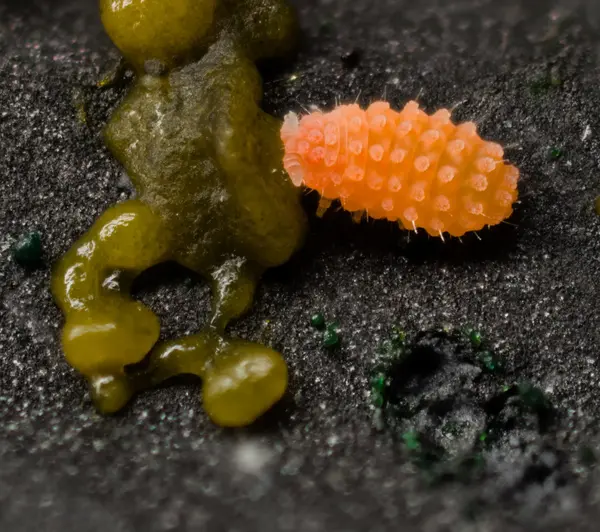
This is why springtails have become a staple in the bioactive terrarium community. In the United States and beyond, keepers of dart frogs, isopods, geckos, and more actively introduce springtail colonies into their setups. The most commonly used species are Folsomia candida (a prolific white springtail) and Coecobrya tenebricosa (the tropical pink springtail, formerly Sinella curviseta). These two thrive in warm, humid environments and reproduce rapidly, making them reliable choices for tropical vivaria.
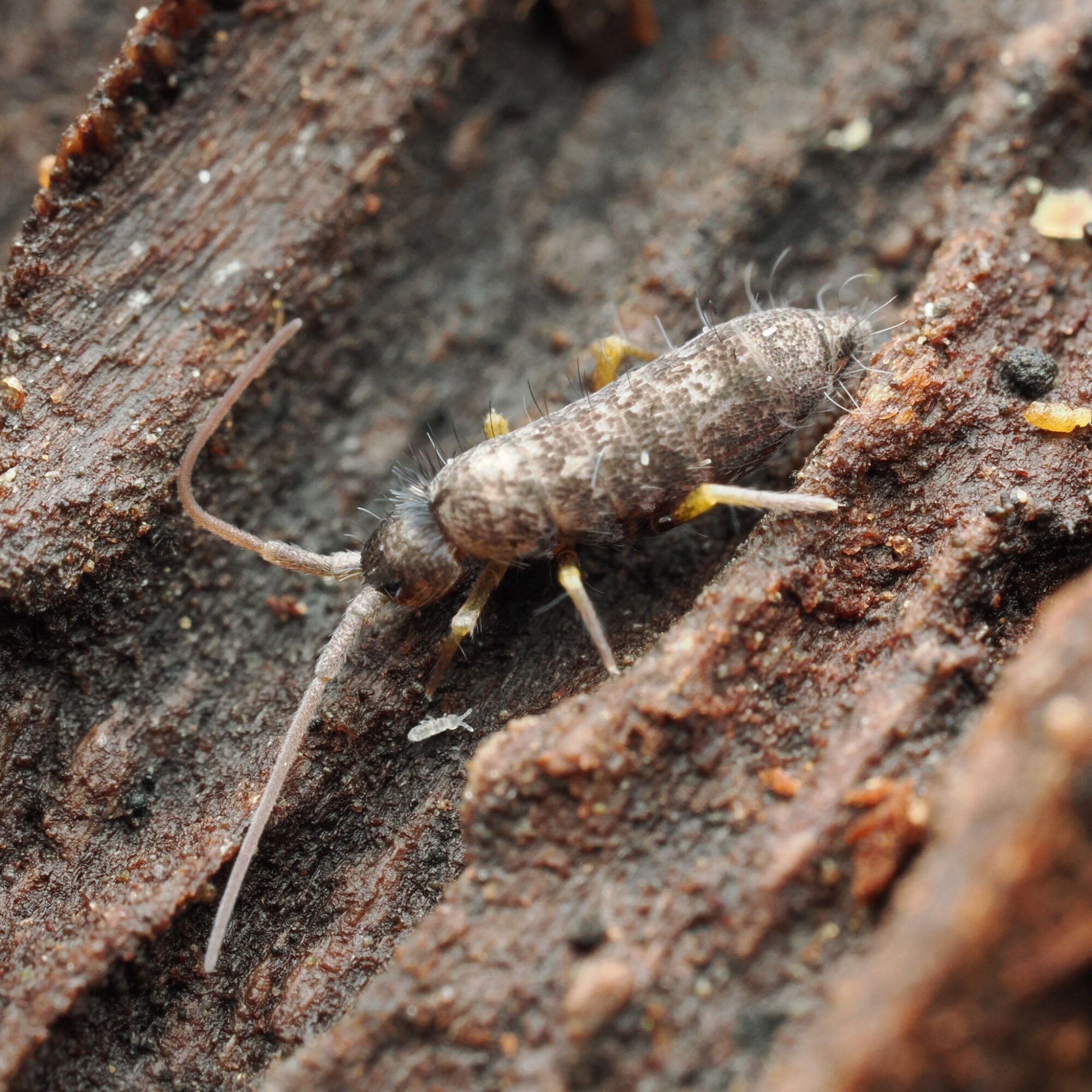
But not all terrariums are rainforests. For cooler or drier enclosures, hobbyists turn to temperate or arid-adapted species that tolerate lower humidity. These specialized species are increasingly used in arid setups like leopard gecko tanks, where they persist in the moist end of a gradient or hide beneath microhabitats. Springtails have colonized nearly every terrestrial biome on Earth, so with a little research, there’s almost always a species suited to the enclosure you’re designing.
In every case, their value remains the same: decomposition, mold suppression, nutrient recycling, soil structure improvement, and pest deterrence. Springtails don’t just support the ecosystem — they help create it. For keepers looking to maintain thriving bioactive environments without constant maintenance, springtails offer a natural solution. They may be small, but their impact is anything but.
Springtails as Feeder Insects for Small Animals
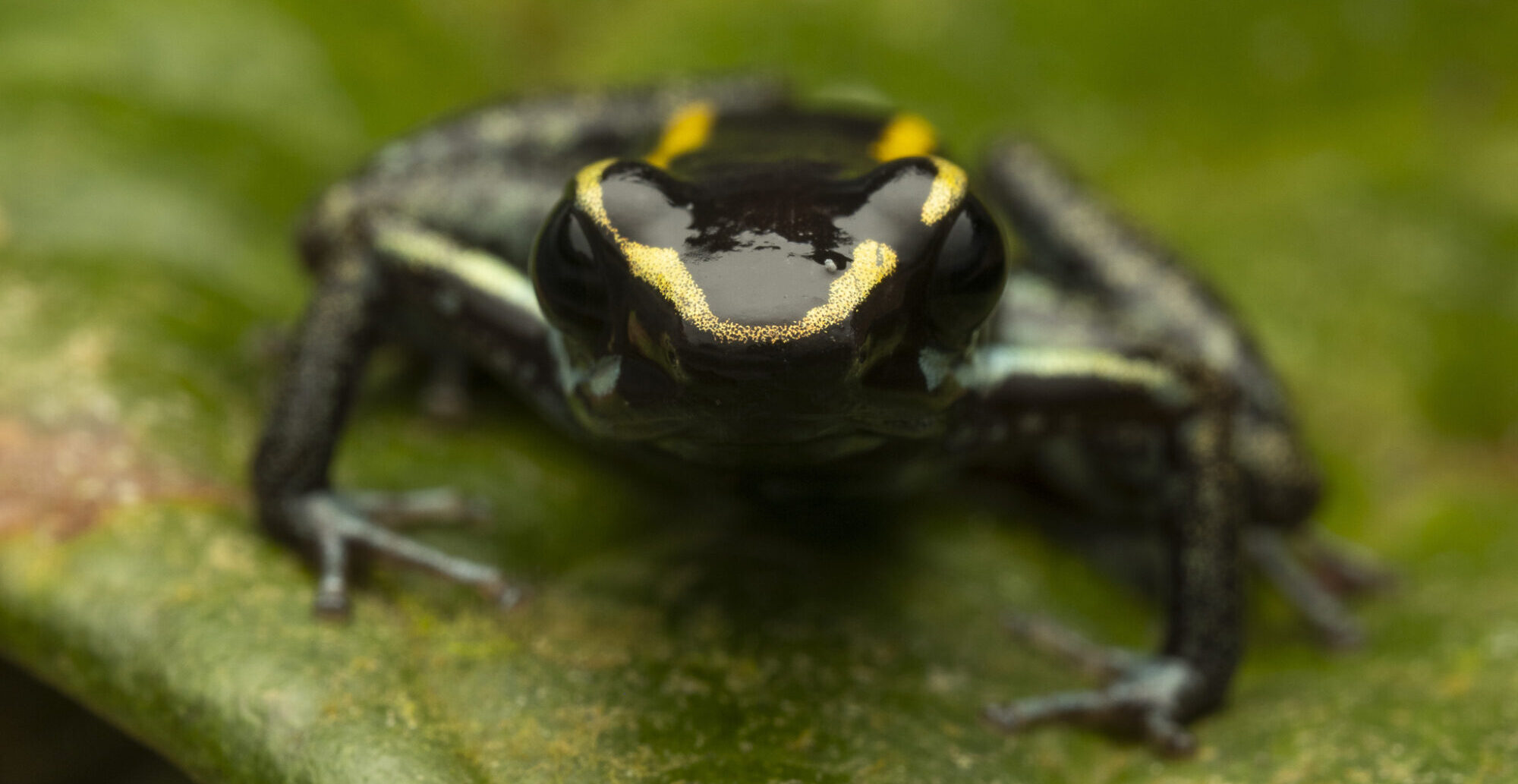
Springtails aren’t just housekeepers. They’re also dinner.
For amphibian enthusiasts working with delicate species like dart frogs and mantellas, springtails are often the first live prey small enough to meet early dietary needs. Their minute size, soft bodies, and constant motion make them ideal live prey for newly morphed froglets and other tiny insectivores. In many setups, they double as both clean-up crew and feeder, sustaining life in more ways than one.
Why They’re Ideal Feeders
Springtails average just 1–2 millimeters in length. That makes them perfect for animals with tiny mouths and delicate systems. Freshly morphed poison dart frogs (genera Ranitomeya, Oophaga, Dendrobates, etc.) are a classic example. These froglets are often too small to handle even fruit flies, but springtails provide a safe, protein-rich alternative that moves naturally across the substrate.

Their nutritional profile is surprisingly strong for such small creatures. Springtails offer a solid source of protein and soft-bodied nutrition. They lack a hard exoskeleton, which means fragile young predators can digest them easily. Hobbyists report faster, healthier growth in froglets that have access to a steady supply of springtails — and fewer complications during early development.
But springtails also offer something more than nutrients: enrichment. Their constant motion, hopping and crawling across surfaces, activates hunting instincts in small animals. Rather than dumping in food all at once, seeding a terrarium with springtails allows froglets to forage naturally throughout the day, mimicking wild feeding behaviors.
Just as importantly, springtails are safe to leave in the enclosure. They won’t bite, stress, or harass the animals. Any uneaten springtails simply return to their clean-up duties, breaking down waste and aerating the soil until they’re eventually snapped up as a snack. This self-sustaining cycle makes them ideal for bioactive vivaria, where food and function blend seamlessly.
Who Else Eats Springtails?
While dart frogs may be the poster children for springtail diets, they’re not the only ones who benefit.
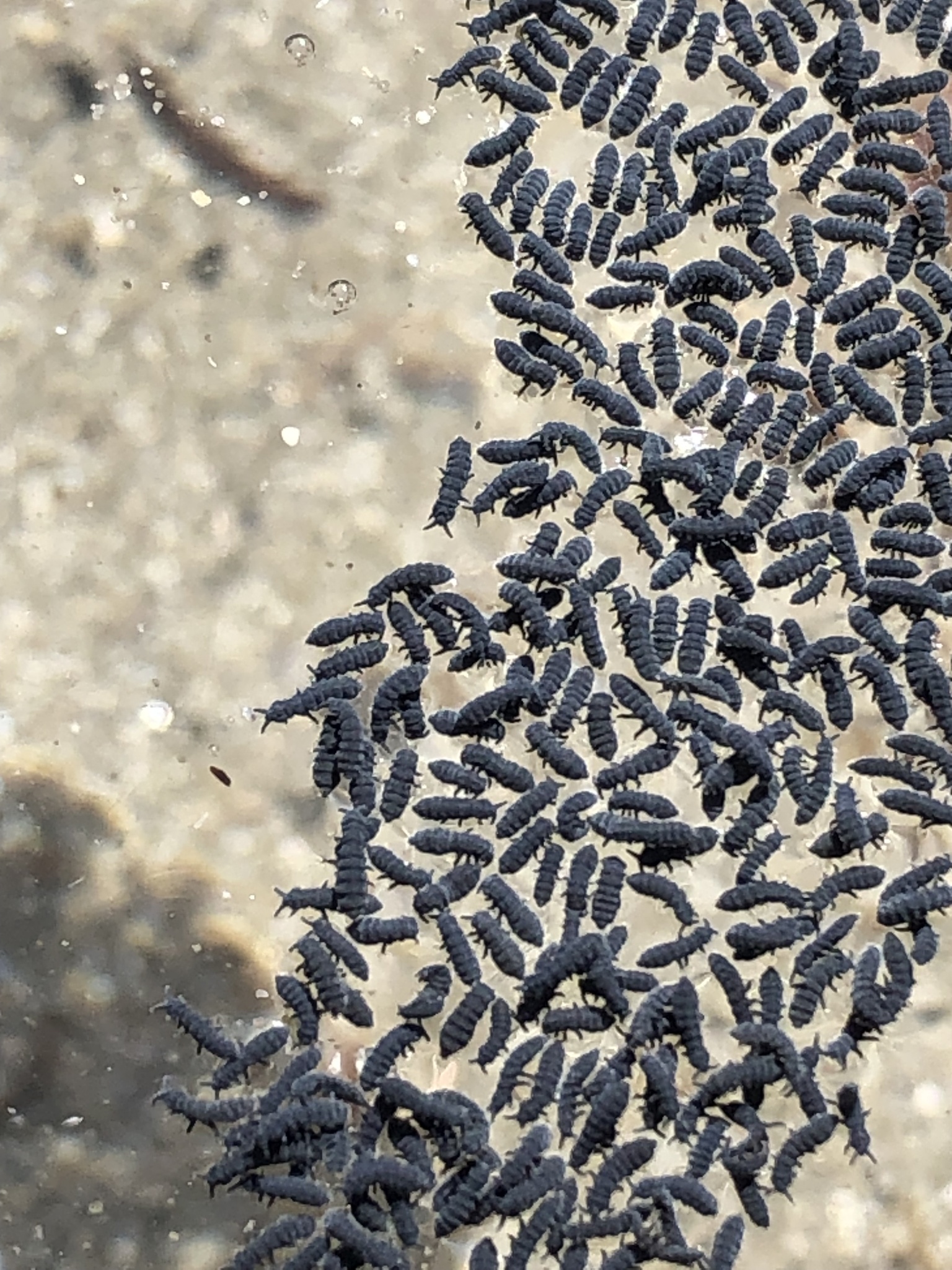
Seashore Springtails (Anurida maritima) floating around waititng to be gobbled up (Photo by lythronax246 on iNaturalist, CC BY 4.0)
- Mantellas (Mantella spp.) and other micro-amphibians also rely on springtails, particularly during early life stages.
- Salamander larvae and newts will take them in as a starter food.
- Fish fry and small ornamental fish can be trained to feed on springtails, which float on the surface and mimic aquatic prey movement.
- Spiderlings and mantis nymphs in the invertebrate hobby are often started on springtails when they’re too small for pinhead crickets or fruit flies.
In all of these cases, the advantage is the same: springtails are a safe, nutritious, and enriching feeder insect that naturally integrates into a living setup.
A Living Feeder System
Perhaps the biggest appeal of springtails is their self-replicating nature. Once seeded, a colony can thrive for months or even years inside a terrarium, providing a continuous supply of tiny prey. There’s no need to chase individual feedings — the colony replenishes itself.
Many pet stores and online vendors sell starter cultures of springtails. These are typically reared on charcoal, clay, soil, or a proprietary mix of substrates with yeast, rice, or other organic material as food. With minimal effort, hobbyists can expand these cultures into thriving populations. And because we’re focused on usage rather than culturing here, we’ll leave the how-to details for a separate guide. Like what do springtails eat? Or what’s the best springtail substrate?
For now, what matters is this: springtails have become essential for hobbiests working with small or young animals. They keep vivariums clean while also feeding the inhabitants, a rare example of an organism that supports both the ecosystem and the individuals within it.
Springtails in Soil Health and Agriculture
Beyond glass walls and vivarium moss, springtails are hard at work in the wild.
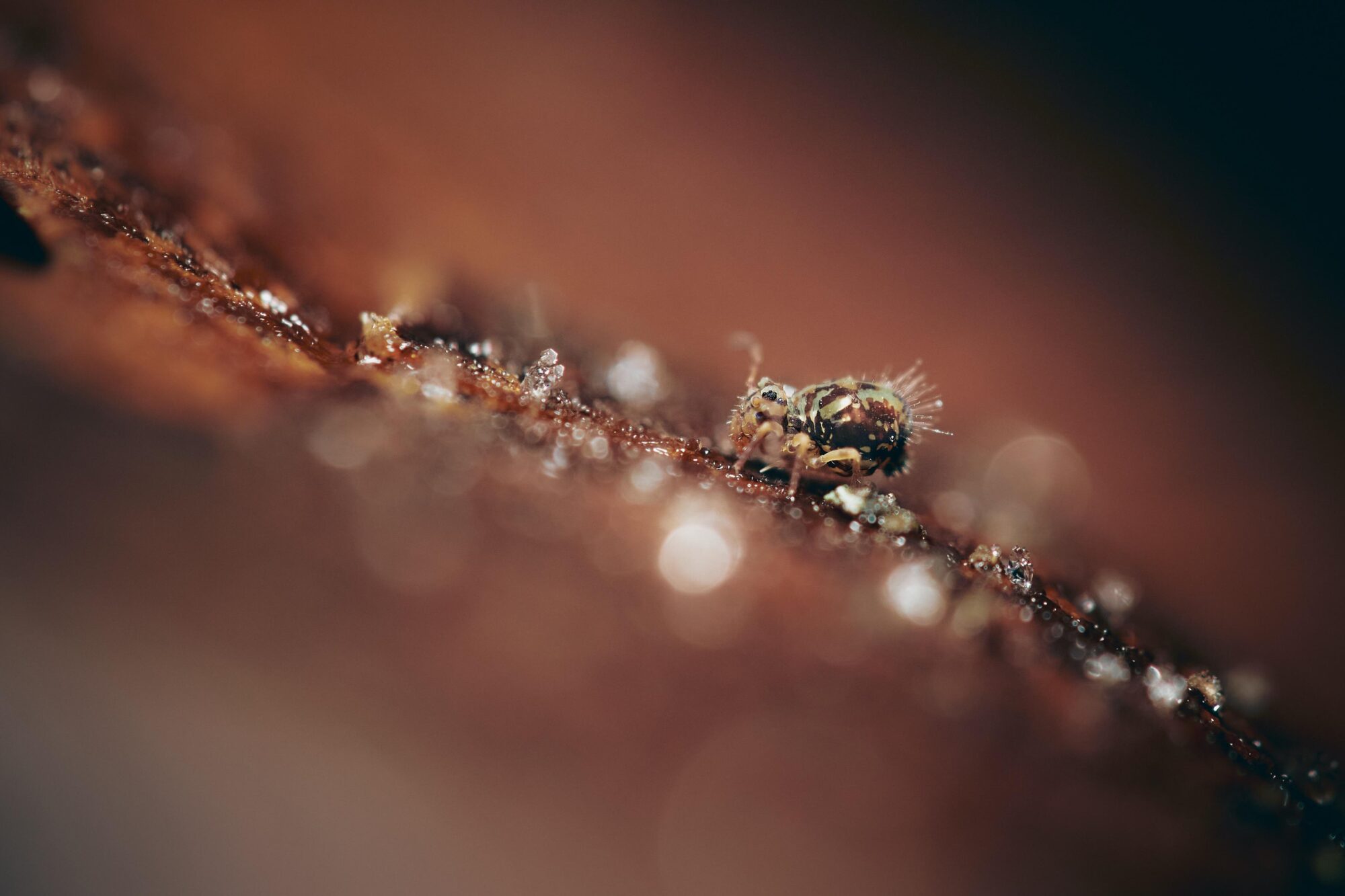
In gardens, forests, and fields, they help form the foundation of living soil. While hobbyists may intentionally seed them into enclosures, farmers and gardeners often benefit from springtails without even realizing it. Their presence is one of the most reliable signs of healthy, fertile earth — and their absence is a red flag for ecological imbalance.
Decomposition and Nutrient Cycling
Springtails feed on a wide spectrum of organic material in soil, including decaying plant matter, fungi, algae, bacteria, and even microfaunal carcasses. As they graze through this buffet of detritus, they fragment the material and speed up decomposition.
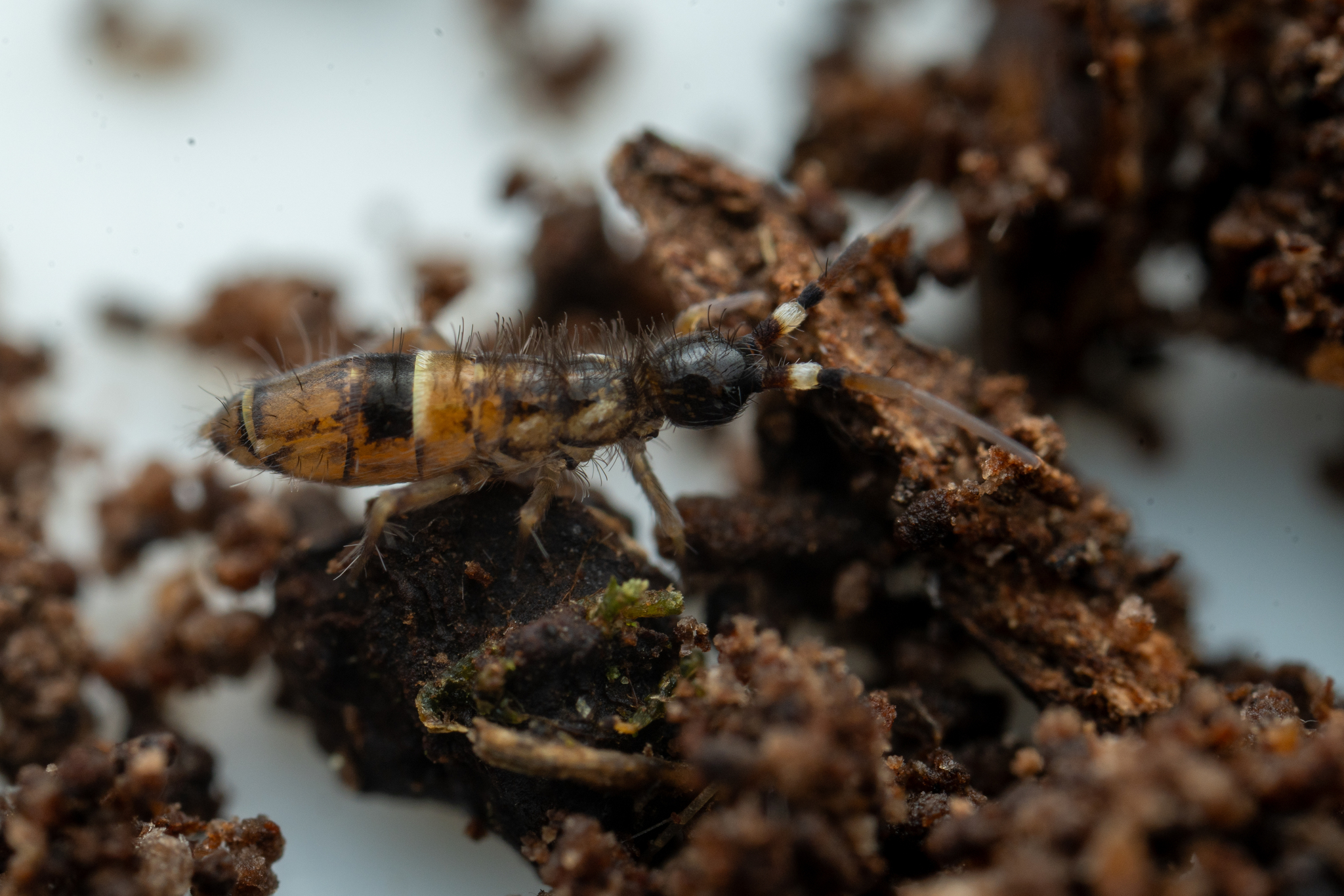
What follows is a cascade of biological recycling: nitrogen, phosphorus, and other nutrients are liberated from the debris and returned to the soil, ready for uptake by plant roots. In this way, springtails serve as mineralizers, taking the complex and turning it back into accessible building blocks of life.
Their role isn’t isolated. Springtails influence fungal and bacterial communities in the soil, indirectly regulating the very microbes that drive decomposition. In leaf litter and humus layers, their feeding activities can determine how fast organic matter turns into usable nutrients. A dense population of springtails, often numbering hundreds of thousands per square meter, is a living engine for nutrient turnover.
Soil Structure and Aeration
While individually small, springtails collectively help shape the physical character of soil. Their movement through pore spaces, root mats, and decaying litter contributes to micro-aeration and the formation of soil aggregates.
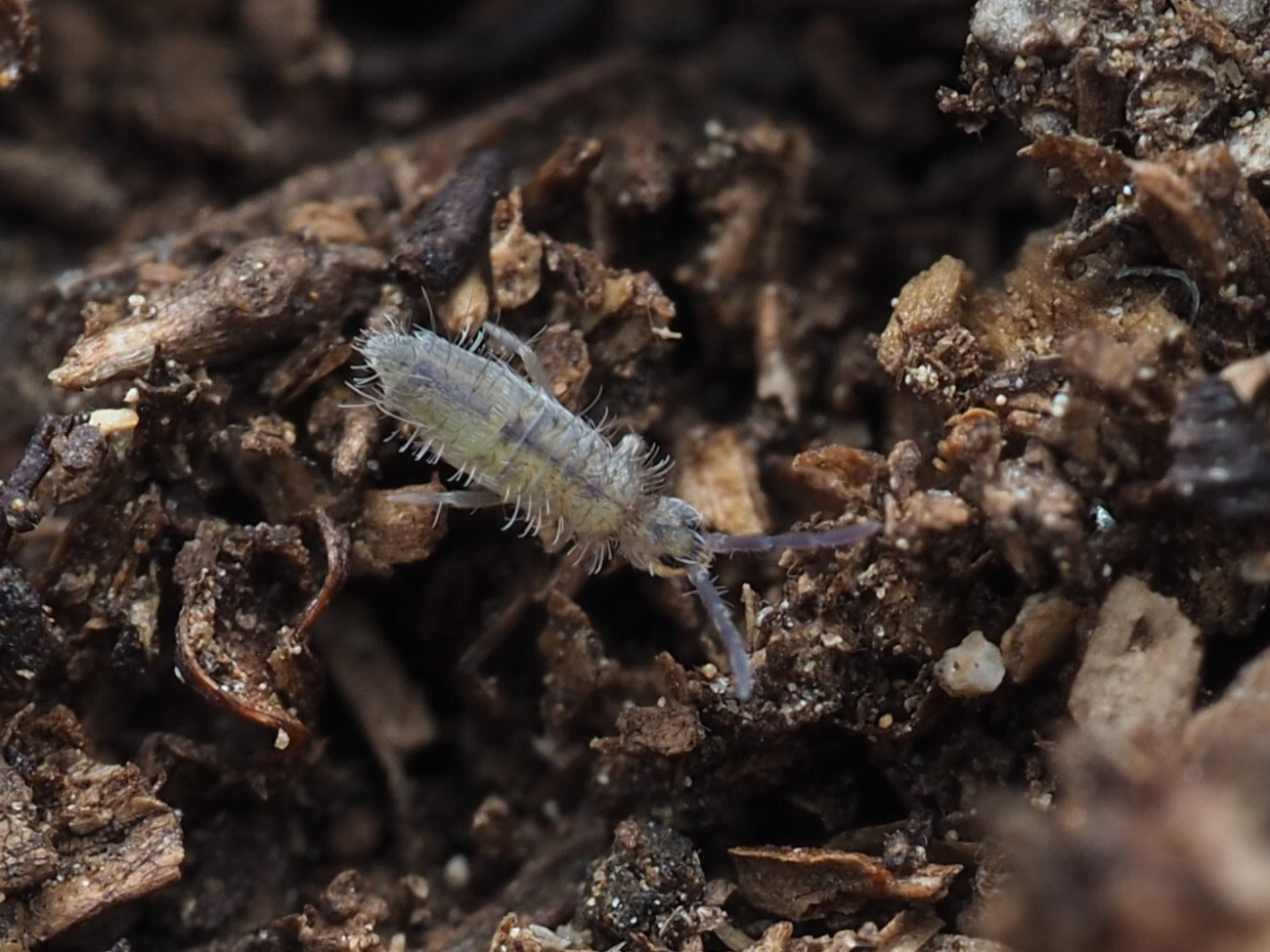
They don’t tunnel like earthworms, but their constant mixing of organic and inorganic particles fosters soil porosity — improving water infiltration, gas exchange, and root access. In soils that lack larger fauna, this microfaunal churning becomes even more important. For seedlings and soil microbes alike, the improved structure can mean the difference between stagnation and growth.
Fungal Dispersal and Microbial Symbiosis
Springtails are deeply tied to fungi. In most ecosystems, fungi form a major part of their diet, but springtails do more than just eat them. They carry spores on their cuticles and in their digestive tracts, depositing them elsewhere as they move through the soil. In doing so, they help inoculate root zones with beneficial fungal species like mycorrhizae.
Some studies suggest their grazing even stimulates fungal regrowth, prompting mycorrhizal fungi to expand their hyphal networks and strengthen nutrient exchange with plant roots. The result is a healthier, more symbiotic rhizosphere.
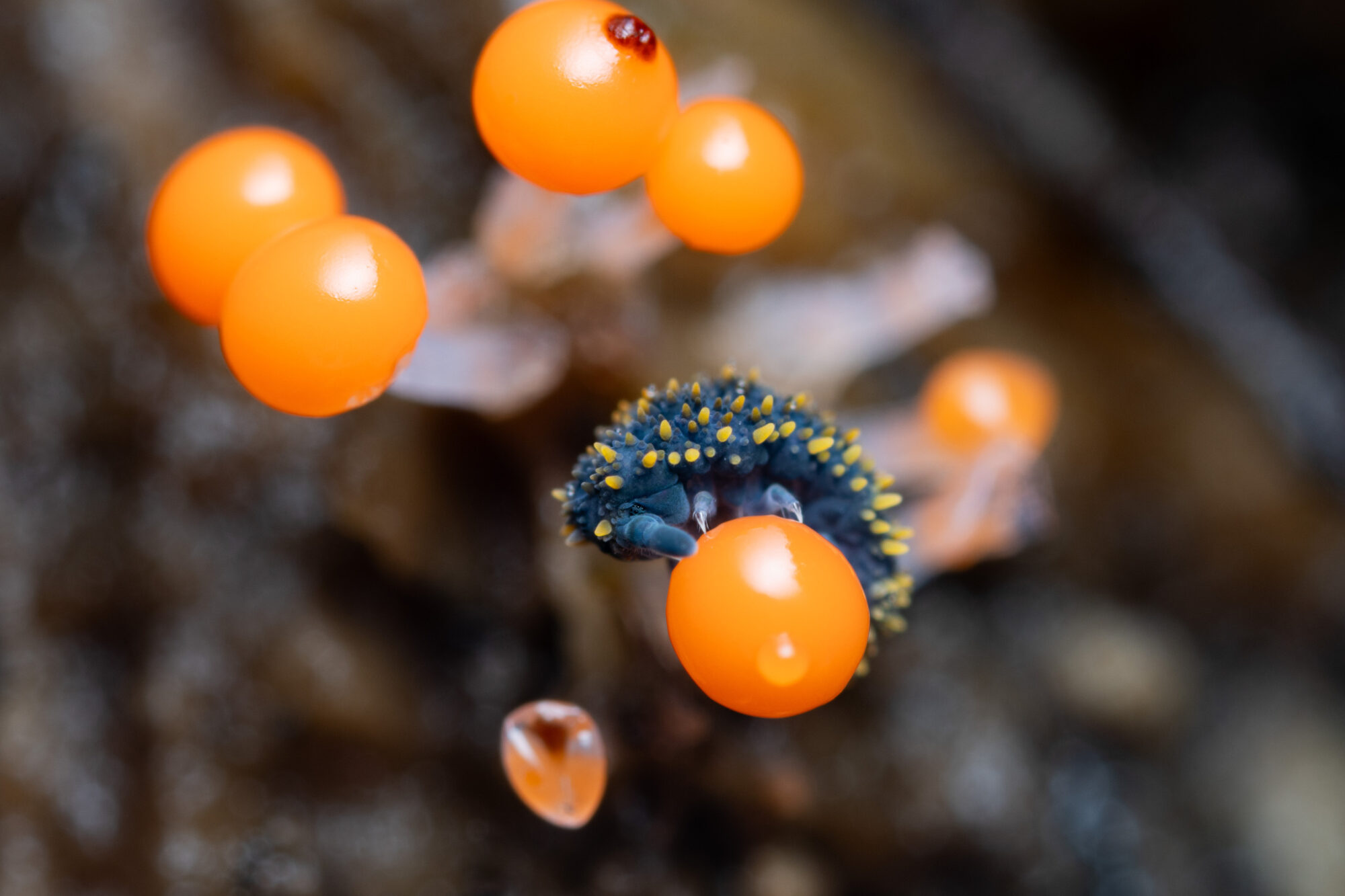
Predation and Herbivory, the Rare Exceptions
Although springtails are overwhelmingly detritivores and fungivores, a few rare cases of opportunistic predation or herbivory have been observed. These behaviors occur almost exclusively in controlled studies or stressed environments, and they are not representative of the springtails commonly encountered in gardens or terrariums.
Certain Onychiurid springtails, such as Tullbergia granulata, have been documented feeding on nematodes in laboratory settings (Rusek, 1998; Fountain & Hopkin, 2005). These Onychiurinae are deep-soil dwellers adapted to low-oxygen conditions with minimal fungal growth. Their predatory behavior is considered facultative and likely triggered by resource scarcity. It is exceptionally rare in surface-dwelling species. These genera do not appear in standard springtail cultures and are unlikely to be found in horticultural or hobbyist contexts.
Occasional herbivory has also been reported, most notably in Sminthurus viridis, the clover springtail. This species has caused damage to pasture legumes and vegetable seedlings in parts of Australia and Europe, particularly under dry conditions with poor organic content. It feeds on live plant tissue when detrital food is scarce, leading to small pits or blemishes on leaves. In affected regions, S. viridis is considered a major pest. That said, it is virtually absent from the North American hobby or garden systems.
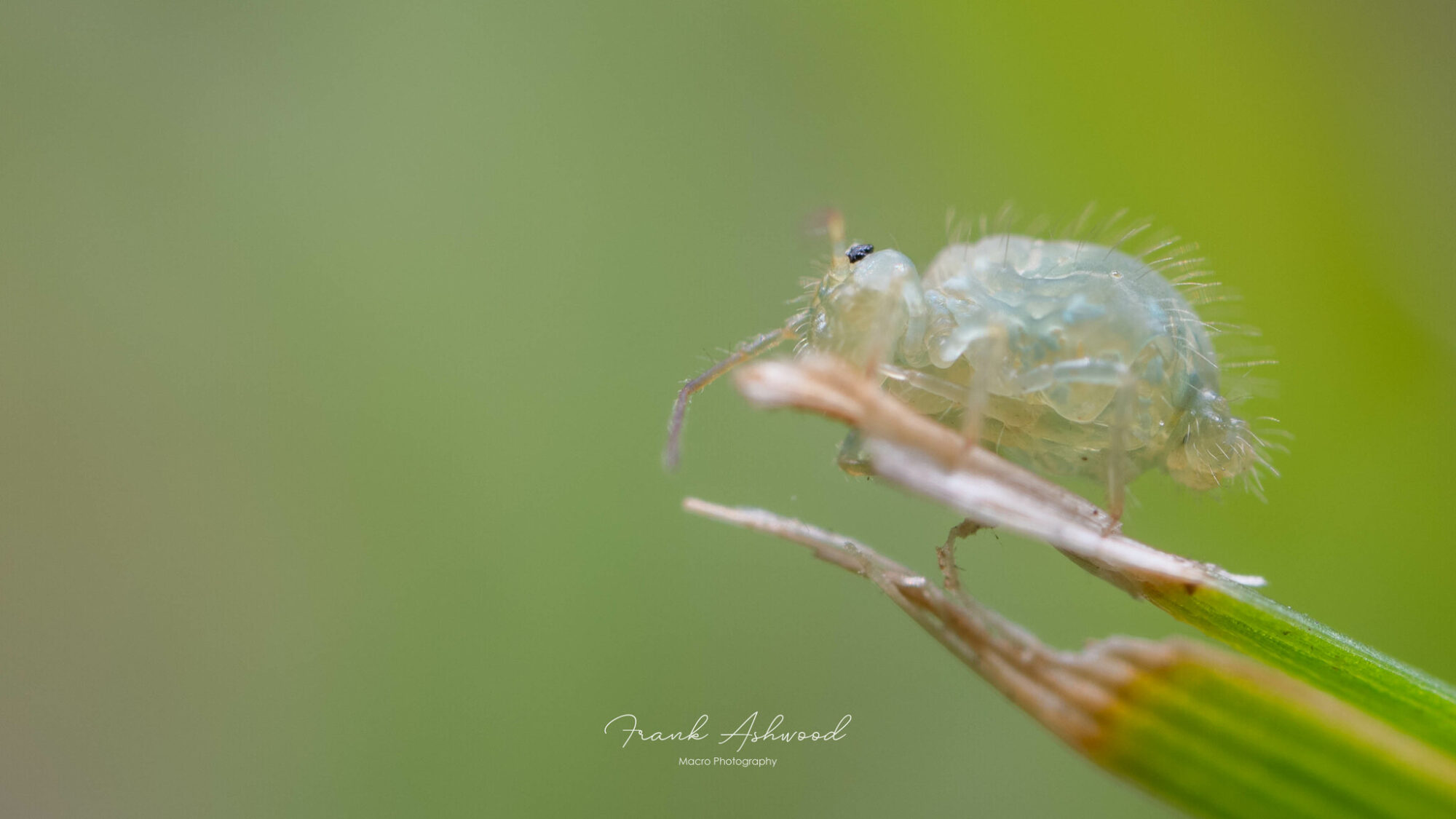
Other genera like Bourletiella and Seira have occasionally been observed feeding on seedlings in stressed conditions. These cases are almost always linked to high-density populations and depleted fungal resources, especially in greenhouses or dry garden beds. According to the University of Connecticut’s IPM program (Pundt, 2018), this type of damage is cosmetic, self-limiting, and typically resolves on its own once environmental conditions improve. Chemical treatment is rarely necessary.
Most importantly, the species favored in bioactive husbandry, such as Folsomia candida and Coecobrya tenebricosa, are generalist detritivores. They feed on mold, decaying plant material, and nutrient-rich prepared foods like yeast or fish flakes. These species do not feed on live plants and are considered completely safe for use with rooted foliage and sensitive roots in vivarium environments.
So while both predatory and herbivorous behaviors exist within Collembola, they are ecologically rare, taxonomically limited, and tied to stress scenarios that are unlikely in most soil or hobbyist systems. For nearly all practical applications, springtails remain beneficial decomposers — not pests.
Partners in Regeneration
For regenerative growers, permaculturists, and ecologically minded farmers, springtails are a welcome sign. Their sensitivity to toxins makes them useful bioindicators. Their contributions to decomposition and microbial dispersal enhance both crop health and soil longevity.
Soil, after all, is not just dirt. It’s a living system — and springtails are part of the scaffolding that keeps that system functioning. Whether in a backyard garden or an old-growth forest, their presence means the quiet work of recycling is underway.
Springtails in Scientific Research and Environmental Monitoring
Springtails have long caught the attention of scientists, not for their color or charisma (so they say), but for what they reveal about the environments they inhabit. Small, soft-bodied, and sensitive to chemical changes, springtails have become powerful tools in laboratories, ecological field studies, and even cutting-edge materials science. Their uses span from pollution detection to biomimicry, proving that even the smallest have a place in innovation.
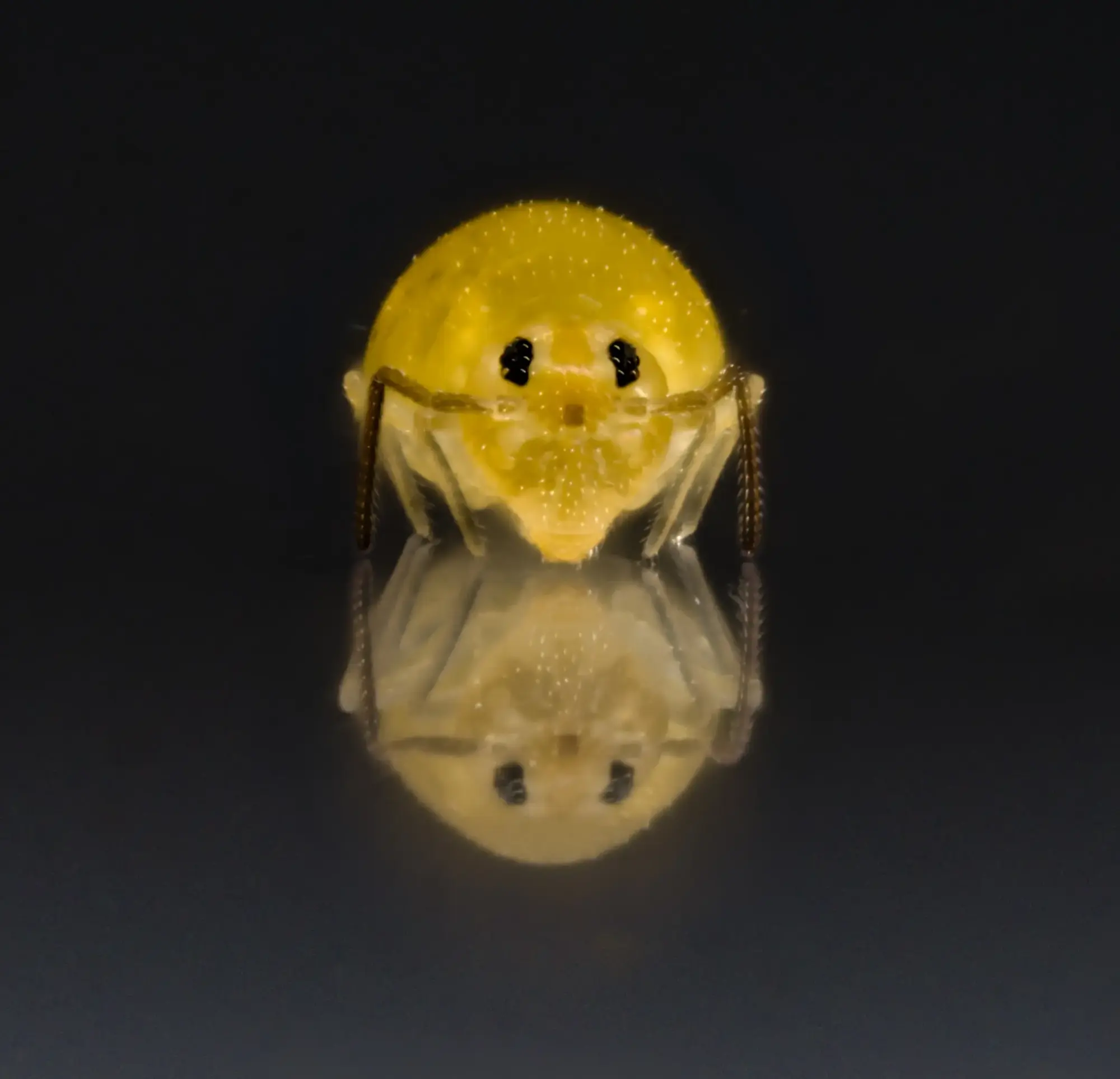
Soil Toxicity Testing and Bioindicators
One of the most important scientific uses of springtails is as a bioindicator species — organisms that help researchers assess the health of soils and ecosystems.
Folsomia candida, in particular, has become a global standard in ecotoxicology. Since the 1950s, researchers have used this species to test how pesticides, heavy metals, industrial waste, and fertilizers affect soil life. Because springtails are highly sensitive to contaminants, a decrease in their survival or reproduction can be an early warning sign of soil degradation.
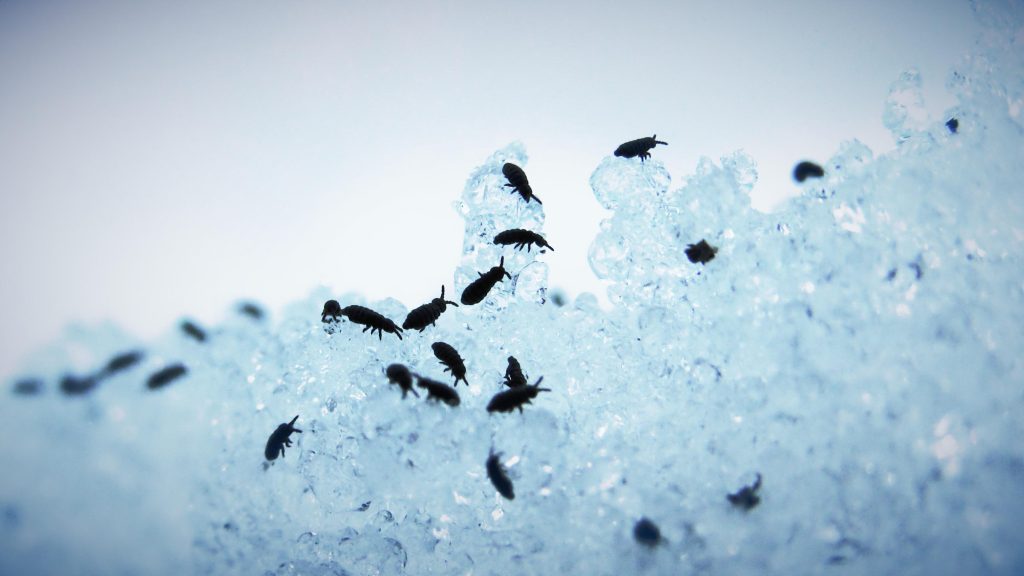
Today, there are formal international test protocols (ISO 11267 and OECD guidelines) that outline how F. candida should be used in laboratory tests. Researchers introduce springtails to soil samples containing various concentrations of a chemical, then monitor survival rates and reproductive output over time. These results help set safety limits for soil pollutants and assess whether contaminated land can safely support plant and animal life again.
Field ecologists are also developing springtail-based soil health indices. Studies at Purdue University and other institutions have shown that springtail abundance and diversity tend to be higher in organic systems and lower in chemically disturbed soils. In urban ecology, a drop in springtail diversity is often linked to pollution, compaction, or habitat fragmentation. Because they are closely tied to fungal networks, springtails also serve as indirect indicators of microbial balance in the soil.
In short, researchers “ask” the springtails how the soil is doing — and the springtails answer with measurable changes in population, reproduction, and community structure.
Ecology and Classroom Use
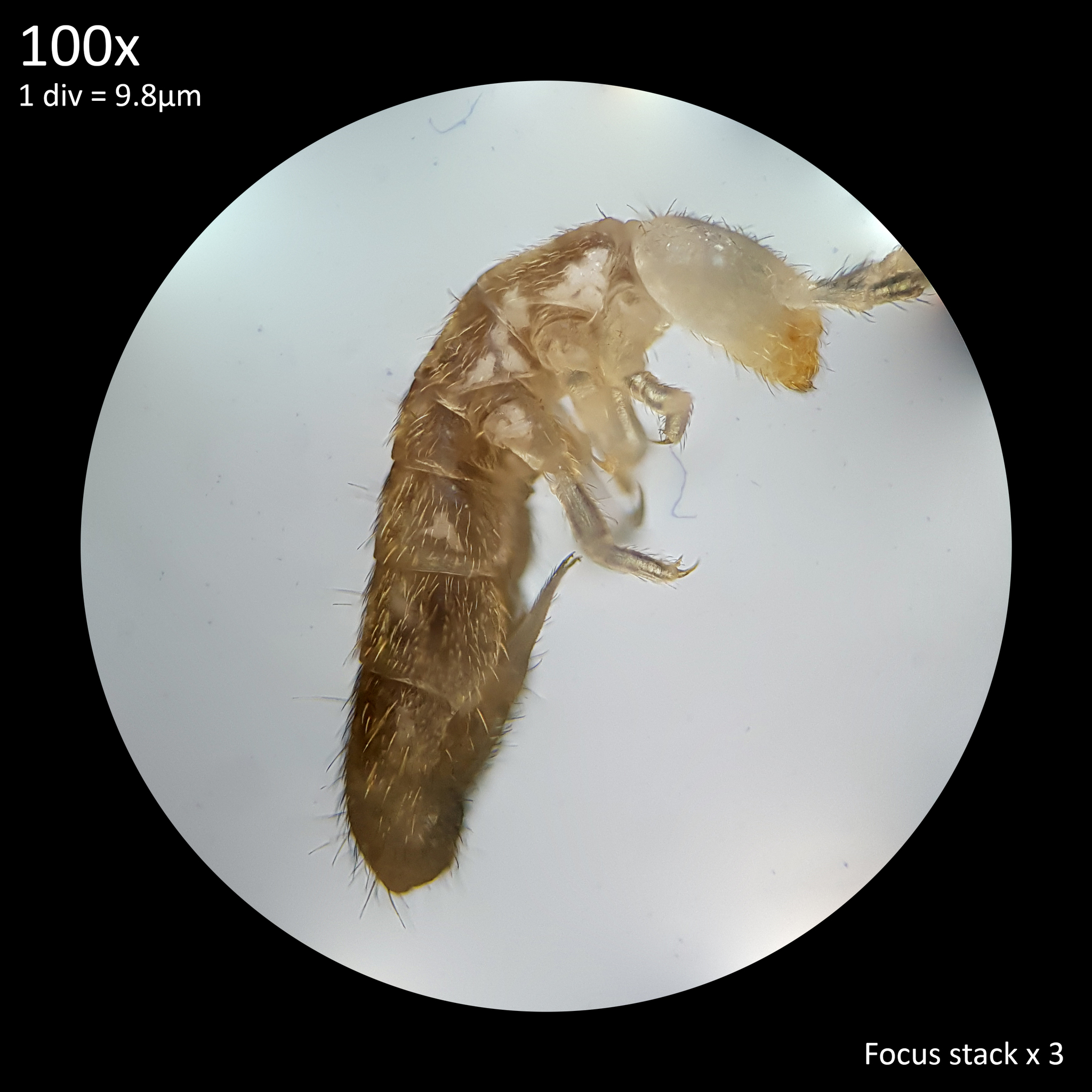
In ecology, they’re often used to model decomposition dynamics and soil food webs. Their interactions with fungi and microbes make them ideal organisms for experiments on nutrient cycling and microbial ecology in the rhizosphere. Some species even exhibit surprising adaptations to extreme environments, such as freezing temperatures or high-altitude exposure, opening up opportunities for research in physiology and stress tolerance.
Because they’re easy to collect, culture, and observe, springtails also show up in classrooms. Students can study their life cycle, track their movement, or conduct simple experiments on habitat preference. Educational materials from extension programs encourage the use of springtails in school science fairs or citizen science projects, helping to raise awareness of soil biodiversity through hands-on observation.
Biomimicry and Materials Innovation
One of the most surprising areas of springtail research lies outside biology entirely — in materials science.
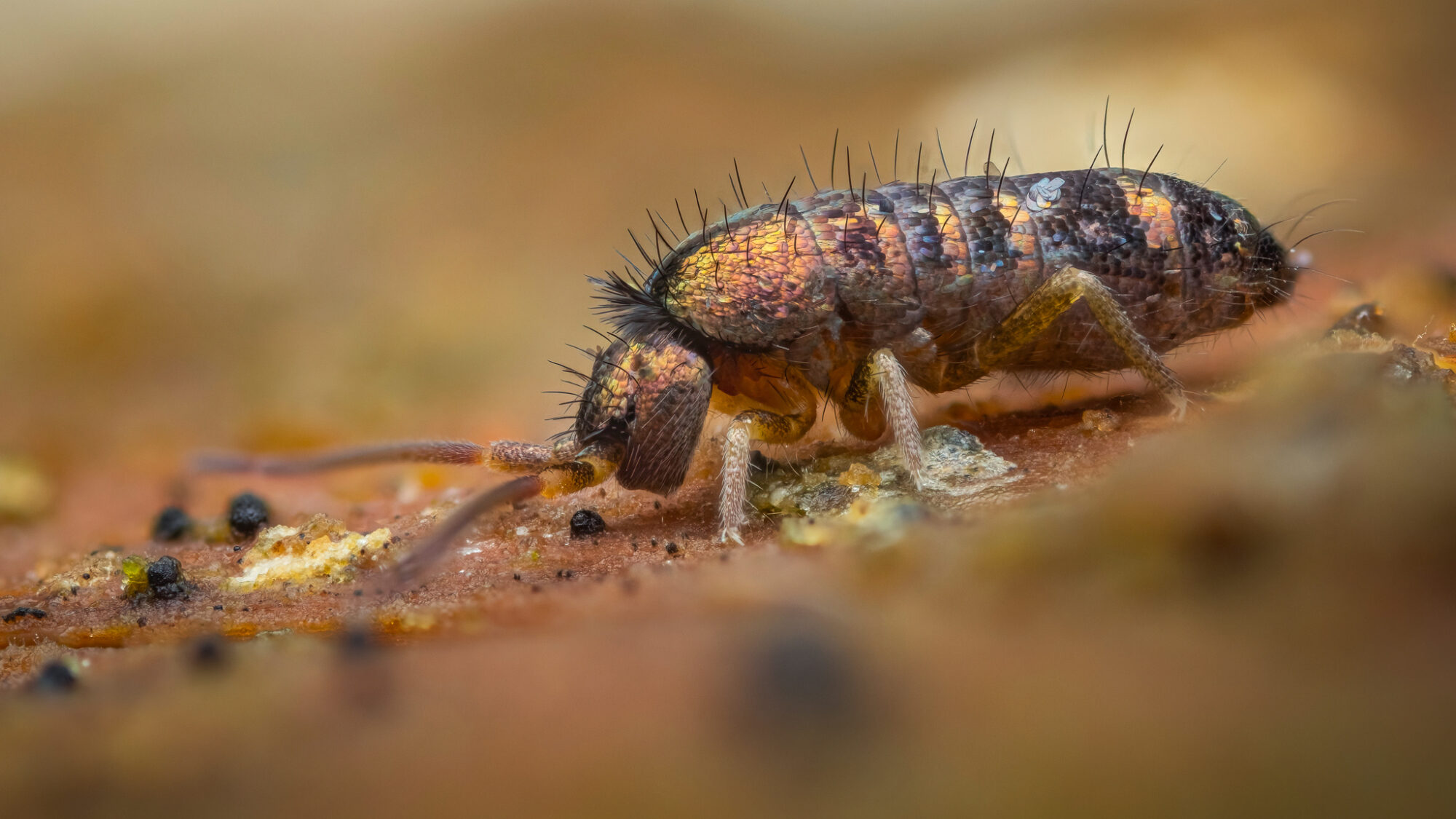
The cuticle of many springtail species is coated in a nano-scale texture that makes it superhydrophobic. This structure traps air and repels nearly all liquids, including oils, alcohols, and water. It allows springtails to move through waterlogged soils without drowning, and in some cases, to survive submersion by carrying an air layer with them.
Inspired by this adaptation, engineers have begun developing synthetic surfaces that mimic springtail skin. A 2024 study in Nature Communications reported the successful creation of an “omniphobic” membrane by replicating springtail cuticle patterns on a polymer surface. These membranes resist wetting and fouling, making them ideal for applications like water purification, anti-fog coatings, and self-cleaning materials.
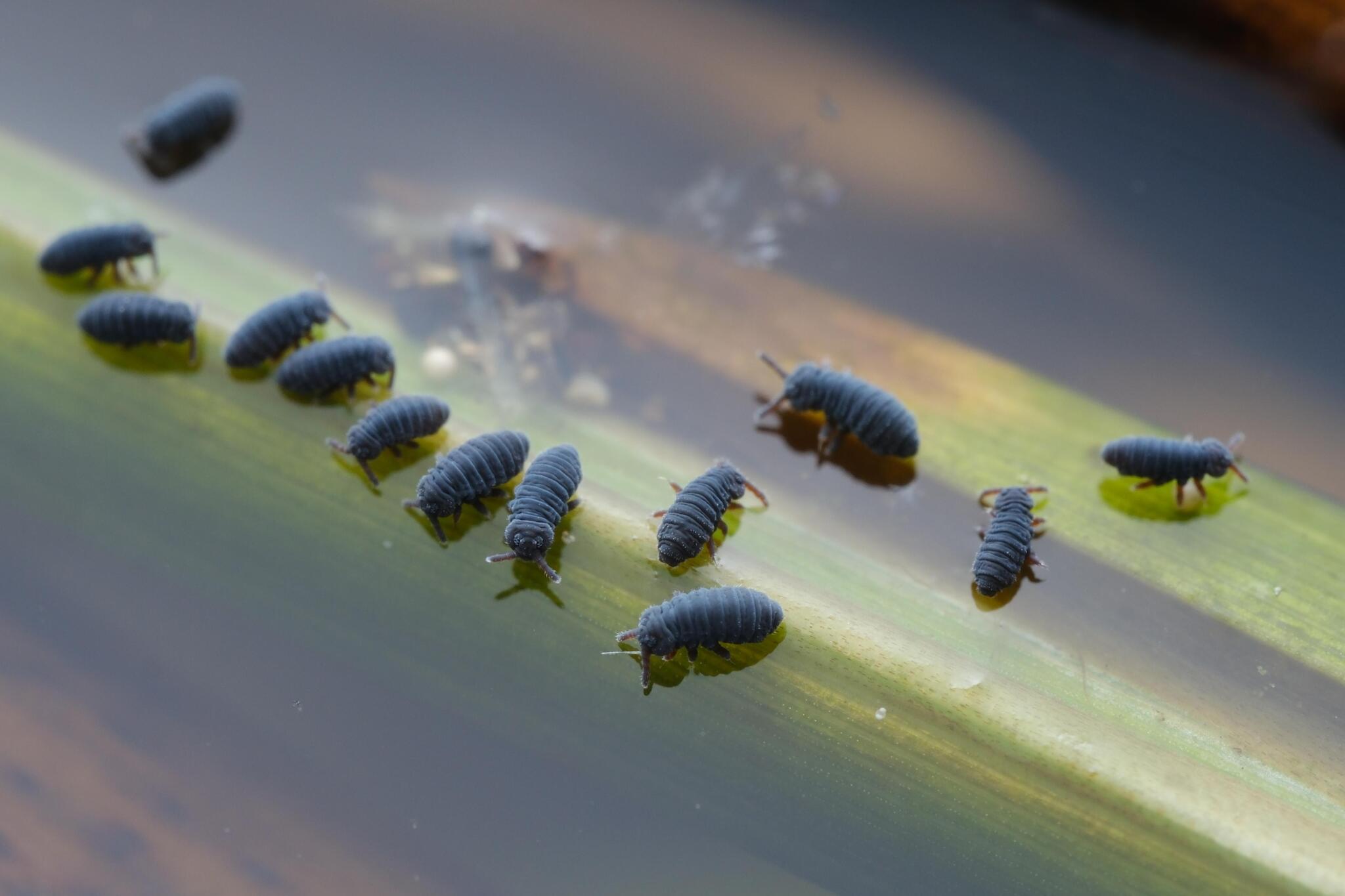
Unlike traditional water-repellent materials that fail under pressure or clog with low-surface-tension liquids, the springtail-inspired design remained effective even in challenging chemical conditions. In practical terms, water literally bounces off it — just as it does on the back of a springtail.
This kind of biomimetic design shows how even the tiniest adaptations in nature can drive technological progress. Springtails, long overlooked in applied research, are now helping scientists design more durable, efficient surfaces — all by studying their skin.
Tiny Allies with Big Impacts
Springtails may be small enough to go unnoticed in a handful of soil, but their usefulness to humans stretches across disciplines. They clean our vivariums, feed our tiniest animals, support the health of crops and gardens, and offer insights that inform both ecological management and modern engineering. Few organisms bridge the gap between hobby, agriculture, soil health, and innovation quite like they do.
For hobbyists, springtails are dependable partners in bioactive setups, serving as mold suppressors, waste recyclers, and feeder insects all at once. For gardeners and farmers, they act as silent recyclers, enriching the soil and signaling a thriving subterranean ecosystem. And for scientists, they are both subject and source, studied in laboratories and mimicked in technologies that repel water, resist contamination, and offer new ways to measure environmental change.

They are also a reminder of how much life is happening beneath our feet. There are springtails living in Arctic ice, desert sand, rainforest canopies, and backyard compost bins. Some are colorless and nearly translucent. Others shimmer with metallic blues or vivid pinks. From long and slender to short and globular, their forms are as diverse as the roles they play.
As public awareness of biodiversity grows, springtails stand as an example of how even the smallest creatures can offer outsized benefits. Their roles are functional, but their presence is also instructive. In every ecosystem where decomposition matters, springtails are there, not just surviving but contributing.
The next time you spot one bouncing through your terrarium or floating in the water bowl, take a moment to appreciate the quiet work it is doing. These tiny hexapods are more than just the cleanup crew. They are engineers, informants, and innovators — tiny allies with big impacts.