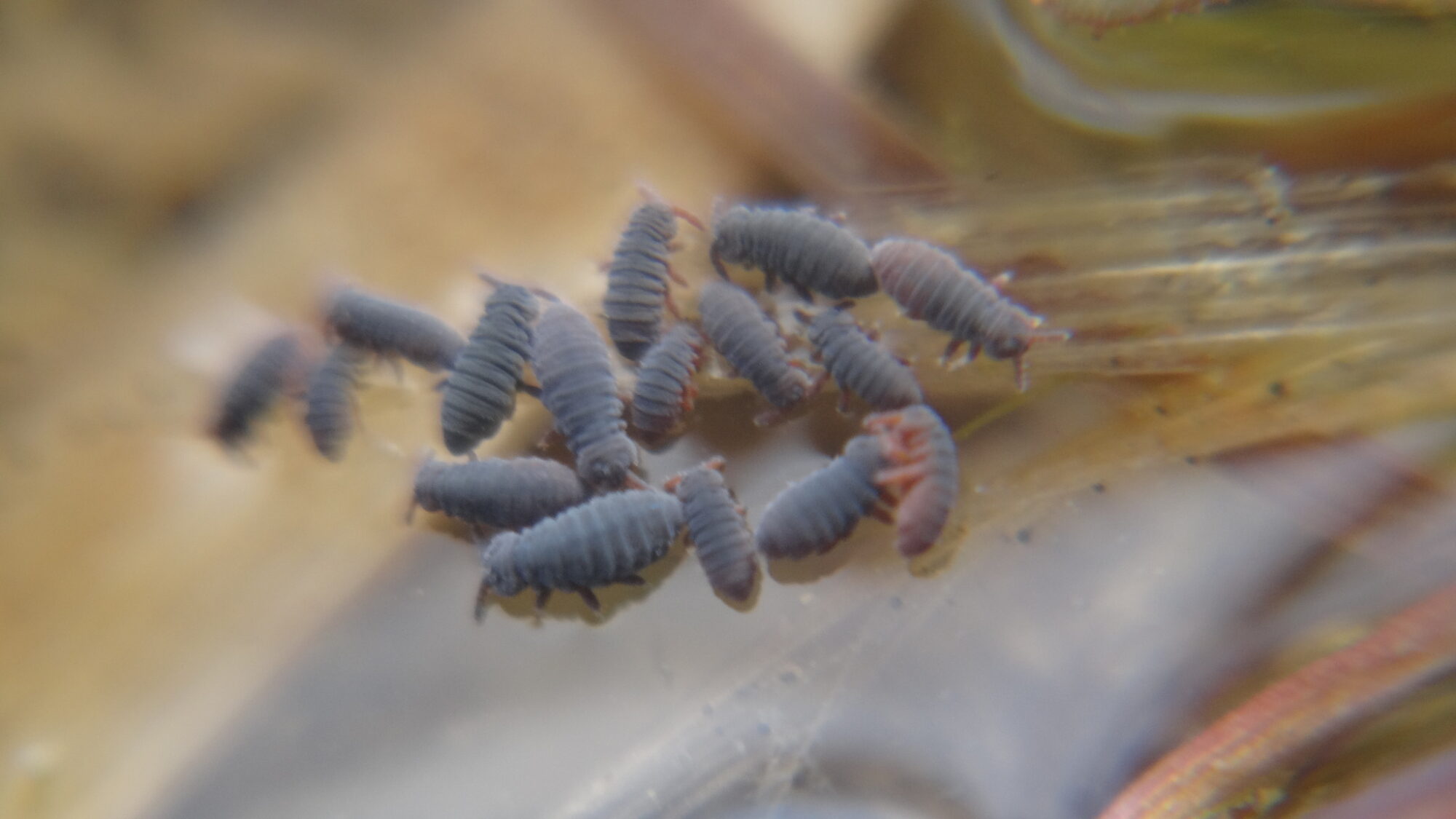
What is Mesofauna?
Take a handful of soil. To most, it’s nothing, just dirt, lifeless and mute. Hold it closer. Feel its weight. In that small clump lies an entire metropolis, thrumming with creatures so small some could slip between grains of sand. Cities without skylines, built by beings that have no word for “sky.” They crawl, coil, spring, and vanish in the blink of an eye. Yet without them, forests would choke, crops would fail, and the green skin of Earth would peel away.
This is mesofauna: tiny invertebrates, neither micro nor macro, but precisely in the middle. A size class that holds the world together. They are the quiet engineers of decay and rebirth, shredders of fallen leaves, regulators of fungi, and architects of soil structure. They have been at this craft for as long as there has been dirt, long before roots gripped rock or wings split open the air.
Here’s the real wonder: that same hidden orchestra performs all the same inside those glass boxes on our shelves. Every bioactive terrarium is a miniature echo of Earth’s first soils, a stage where springtails leap like sparks, isopods grind decay into fertile dust, and mites patrol like silent sentinels. Add them to your terrariums and vivarium’s and you’re not just keeping pets. You’re curating a fragment of Earth’s memory, a system rehearsed since the Paleozoic.
This article will answer “What is mesofauna?” in depth. We’ll define the term, explain how they differ from microfauna and macrofauna, trace their ancient origins, and explore their ecological roles. We’ll meet their diverse cast: springtails, isopods, mites, pseudoscorpions, pot worms, and more, each with unique stories and ecological functions. You’ll see why mesofauna matter profoundly, often called “the invisible workforce” of soil for the indispensable services they provide.
We’ll also highlight their relevance to hobbyists: how springtails wage war on mold in a closed vivarium, how isopods recycle detritus, and how mites and micro-predators maintain balance. Along the way, we’ll discuss threats they face, and how you can observe them with simple DIY tools like a Berlese funnel or a basic microscope.

By the end, I hope you’ll see that mesofauna are not just curiosities in textbooks but foundations of thriving ecosystems, from the vast rainforests to the smallest terrarium. In my completely unbiased opinion as the owner of Mesofauna.com, they’re awesome. Similarly this blog post will serve as a foundation for the entirety of Mesofauna.com and hopefully help us grow into a platform where anyone can come to learn, discuss, and read everything mesofauna related!
Let’s begin our exploration of mesofauna, these hidden helpers from the dirt. The ground beneath your feet will never look the same.

What Is Mesofauna? – Defining the Middle Tier of Soil Life
Life in soil is organized by scale. Scientists group organisms into three size classes: microfauna, the smallest creatures often living in films of water; macrofauna, the larger animals like worms and beetles that reshape entire soil layers; and the in-between, mesofauna, tiny invertebrates that quietly help keep the system running.
So what are they? Mesofauna are soil-dwelling invertebrates roughly 0.1 to 2 millimeters long. Large enough to glimpse without a microscope, small enough to move effortlessly through soil pores. They include springtails catapulting through leaf litter, mites scurrying towards their next meal, threadlike pot worms, dwarf isopods, and a parade of other arthropods in both juvenile and adult stages.


This isn’t just a size range. It represents a unique ecological role. Too small to dig tunnels like earthworms, too large to survive only on dissolved nutrients, mesofauna are adapted to life in a maze of soil and debris. They graze on fungal hyphae, scrape algae, shred decaying plant fragments, and even transport microbial spores on their bodies. Their specialty is fragmentation, reducing litter into smaller pieces that microbes and fungi can then convert into humus.
Why the distinction matters:
Microfauna (protozoa, nematodes, rotifers) initiate chemical breakdown at the molecular scale.
Macrofauna (earthworms, grubs, termites) engineer soil and move mountains of matter.
Mesofauna thread the two extremes: fragmenting litter for microbes, regulating fungi before it overruns, and linking energy between levels. Without them, decomposition bottlenecks and nutrients stall.
For hobbyists, this size class is a sweet spot. In terrariums, microbes appear uninvited, and large burrowers can uproot delicate plants. Mesofauna, the springtails and tiny isopods, are perfect custodians. They clear mold, recycle waste, and keep the substrate alive. Add them to your soon to be bioactive setup, and you’ve enlisted an ancient workforce adapted to this task for hundreds of millions of years. Picture it this way: if soil were an orchestra, microbes would play the strings, macrofauna the drums. Mesofauna? They’re the woodwinds, a melody you rarely notice, but without it the music falls apart.
Origins & Deep History – A Story Written in Soil

Mesofauna are not newcomers; they are ancient architects whose story began when Earth itself was still raw. To understand their significance, we need to travel back to a time when the continents were barren and life clung mostly to the seas.
The First Steps Onto Land
Before there were forests or fertile soils, Earth’s surface was a mineral crust scoured by wind and water. The earliest soils likely formed when microbial films began binding rock particles, laying the foundation for terrestrial life. But true soil, the living matrix we depend on today, only came into being when plants, fungi, and small invertebrates forged their partnerships.
Evidence suggests tiny arthropods were there from the very start, feeding among decaying tissues and microbial mats. Their activity jumpstarted nutrient cycles and wove the first litter layers. Springtails were among these pioneers. Fossil records show they appeared early and have changed little since, perfectly suited for life in damp crevices, scraping fungal threads and recycling debris.

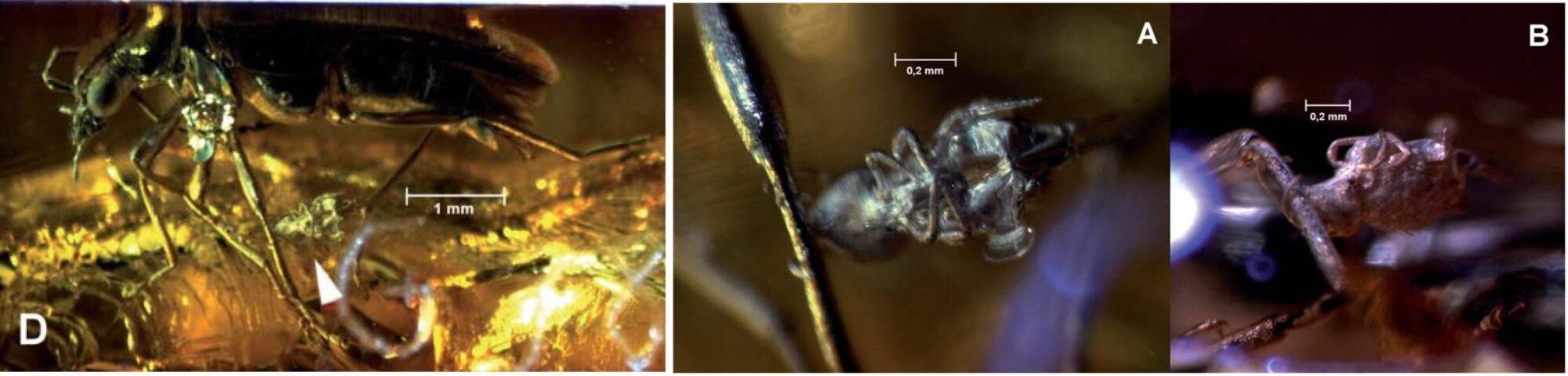
A piece of amber preserving tiny insects and isopods. These inclusions offer a rare glimpse into ancient soil and leaf-litter ecosystems.
Amber inclusions even reveal springtails clinging to winged termites and ants. This is evidence of phoresy, hitching rides to reach new habitats. That adaptability helps explain why springtails are still everywhere today.
Soil as a Life Bridge

Soil likely served as a protective bridge for early land-dwellers, sheltering them from UV radiation, dryness, and extreme temperatures. Within the humid pores of early soils, mesofaunal ancestors found microbial growth to feed on. Their presence helped shape the relationships that still define soil ecosystems.
Springtails developed specialized mouthparts for scraping fungal hyphae and organic films, making them among the earliest decomposers. Soil mites diversified into detritivores and predators. Diplurans and proturans joined this underground network, feeding on spores and decaying matter. Together, these groups established the foundation for structured soils and complex food webs.
Partnerships With Plants and Fungi
As plants crept farther inland, their fallen tissues began to accumulate. Fungi evolved to work with plant roots, trading minerals for sugars, but someone had to process the waste. Mesofauna filled that role. They shredded litter, grazed on fungal networks, and dispersed spores like couriers in the night.
By grazing fungi and fragmenting litter, mesofauna accelerated decomposition and nutrient cycling. Their activity mixed organic matter with mineral particles, helping to form structured soils. In return, plants thrived in nutrient-rich environments, and fungi spread farther. This three-way alliance of plants, fungi, and mesofauna established the framework for the thriving terrestrial ecosystems we know today.
Why This History Matters for Hobbyists
Every time you seed a terrarium with springtails or isopods, you are not just adding cleaners. You are reawakening an ancient system. These creatures were performing their quiet craft long before humans understood their role, long before terrariums even existed. Your enclosure becomes a time capsule, a living fragment of Earth’s original playbook.
Understanding this story adds weight to the practice of bioactive keeping. These organisms thrive because their role has not changed: to break down what dies and return it to the cycle of life. Provide leaf litter, wood, and steady moisture, and you echo the blueprint they have followed for ages. That is why a well-built terrarium feels self-sustaining. It is not magic. It is memory.

Why Mesofauna Matter – The Invisible Workforce of Soil
Imagine stripping mesofauna from the world. Forest floors would clog with unrotted leaves, crops would starve in lifeless dirt, and the green fabric of Earth would fray into dust. These not background characters. They are the gears that keep the engine of life turning, unseen but indispensable.
Decomposition
Decomposition is not a single event. It is a chain reaction, and mesofauna sit at its center, breaking down what the giants cannot and what microbes cannot reach alone.
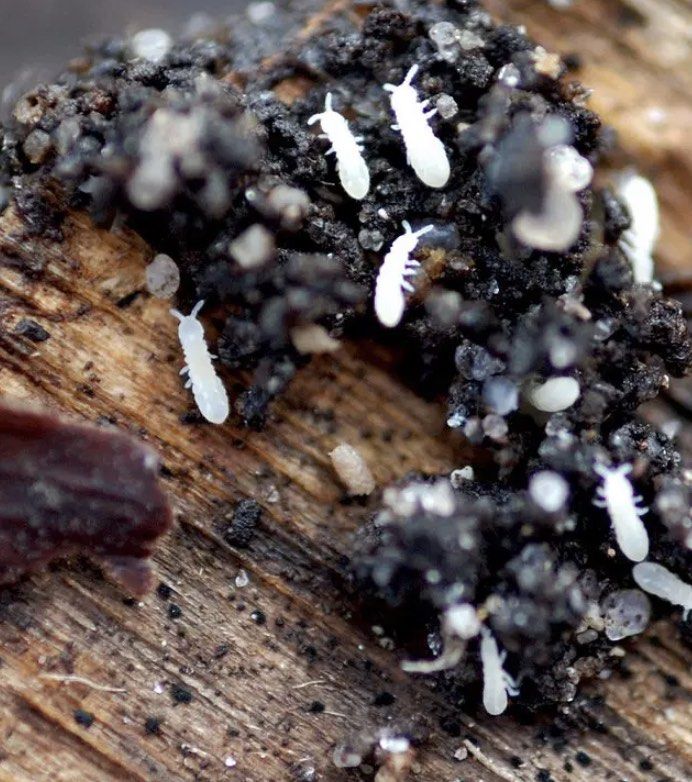
When a leaf falls, its journey back into soil begins with shredders. Springtails graze on fungal films. Isopods tear edges into fragments. Tiny diplurans reduce what remains into finer particles. Each bite increases surface area, unlocking space for bacteria and fungi to finish the job. Without this step, decomposition slows to a crawl.
In terrariums, this same process prevents waste from festering. A dead leaf or uneaten food becomes a resource, not a problem. Springtails intercept mold before it spreads. Isopods grind debris into pellets that microbes quickly convert into nutrients, keeping the enclosure balanced.
Soil Structure
Soil is not static. It is a three-dimensional maze, and mesofauna help carve and maintain it. As they move through pores, they mix organic crumbs with mineral particles, creating microaggregates that bind soil together. Their droppings glue these structures in place.
This structure matters. It improves aeration, allowing oxygen to reach roots and microbes. It regulates moisture, holding water in microhabitats without flooding roots. In a terrarium, these same actions prevent compaction and keep substrate breathable for plants.
Microbial Regulation
Soil is a microbial jungle, competitive and chaotic without checks. Mesofauna impose order. Springtails prune fungal growth. Predatory mites patrol nematodes and eggs. These interactions hold populations in check and maintain balance.
In glass enclosures, mold blooms and pest outbreaks rarely gain a foothold in mature systems rich with mesofauna. They maintain harmony that keeps everything else, from moss to frogs, alive and thriving.

Nutrient Cycling
Every fragment chewed and every spore grazed sets off chemical ripples. By fragmenting litter and grazing microbial films, mesofauna accelerate nutrient turnover, releasing nitrogen, phosphorus, and potassium into forms plants can absorb. They are slow-release fertilizer factories, working constantly with nothing more than leaf litter and humidity.
Climate Connection
Soil is Earth’s largest carbon vault, and mesofauna help manage that wealth. By breaking down plant matter and fostering stable aggregates, they lock carbon into humus rather than letting it escape as CO₂. Disturb these processes through chemicals, compaction, or removal, and carbon cycles tilt out of balance.
Every bioactive enclosure echoes this principle. That lush vivarium is not just clean. It is a tiny carbon sink, a scaled-down rehearsal of the global systems that temper climate swings.
Meet the Mesofauna – Diversity and Ecological Roles
Mesofauna are not a single species or even a single group. They are a crowd, a cast of soil dwellers so varied and specialized that they defy easy categorization. From leaping springtails to armored isopods, each plays a role in the soil’s invisible symphony. Let’s meet the key players, what they look like, what they do, and how they keep your terrarium running like the living machine it is.
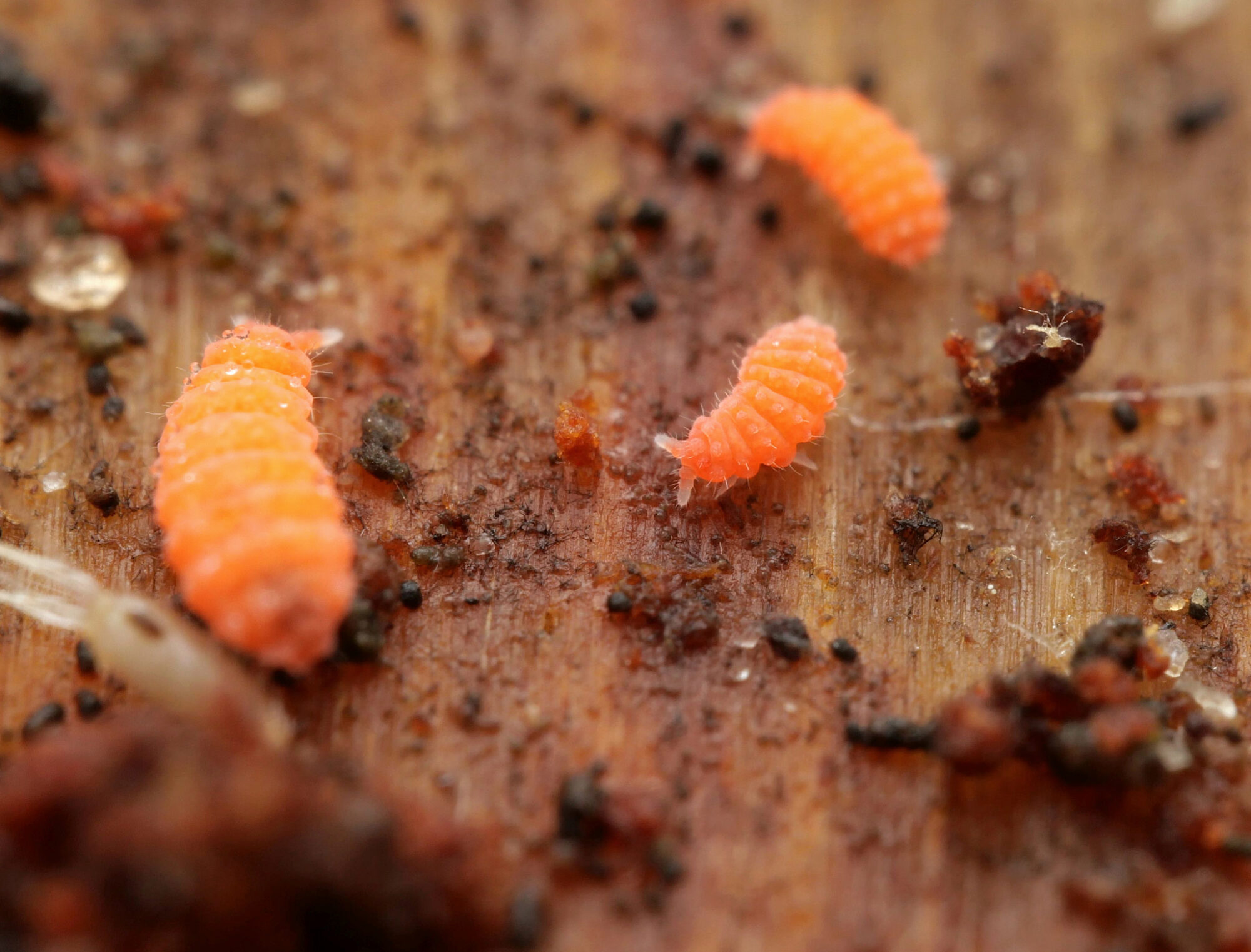
Springtails (Collembola) – The Bioactive Backbone


Morphology:
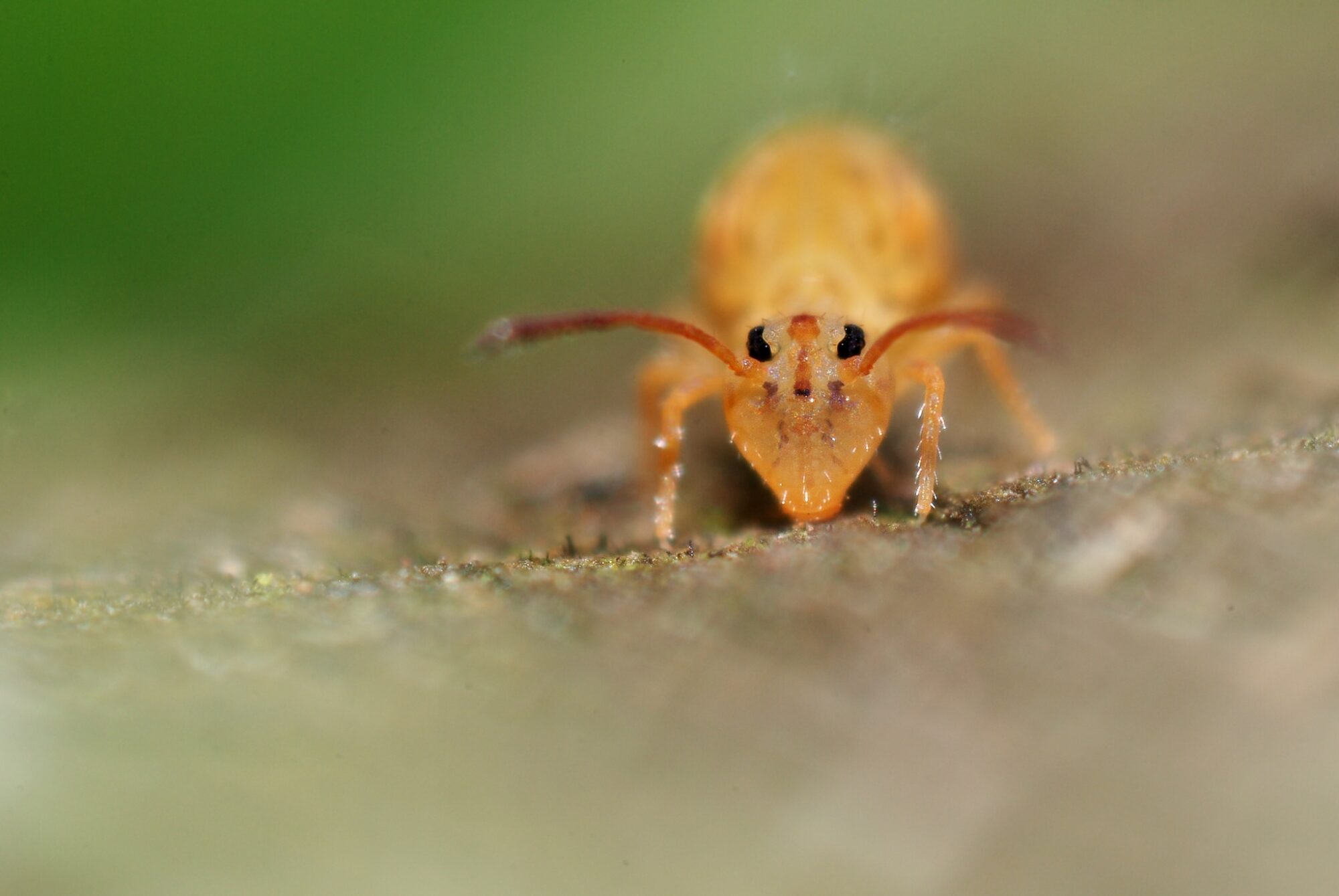
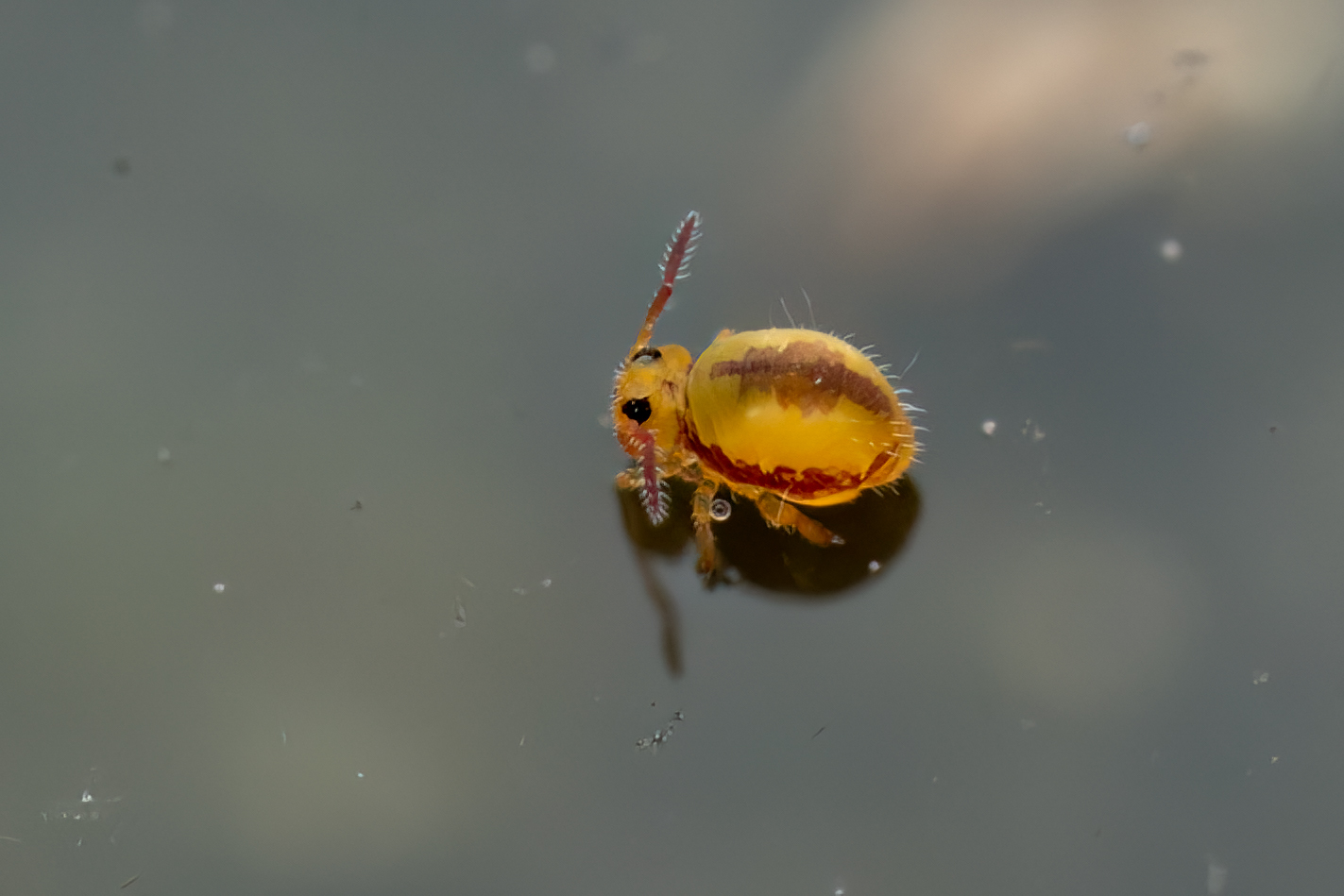
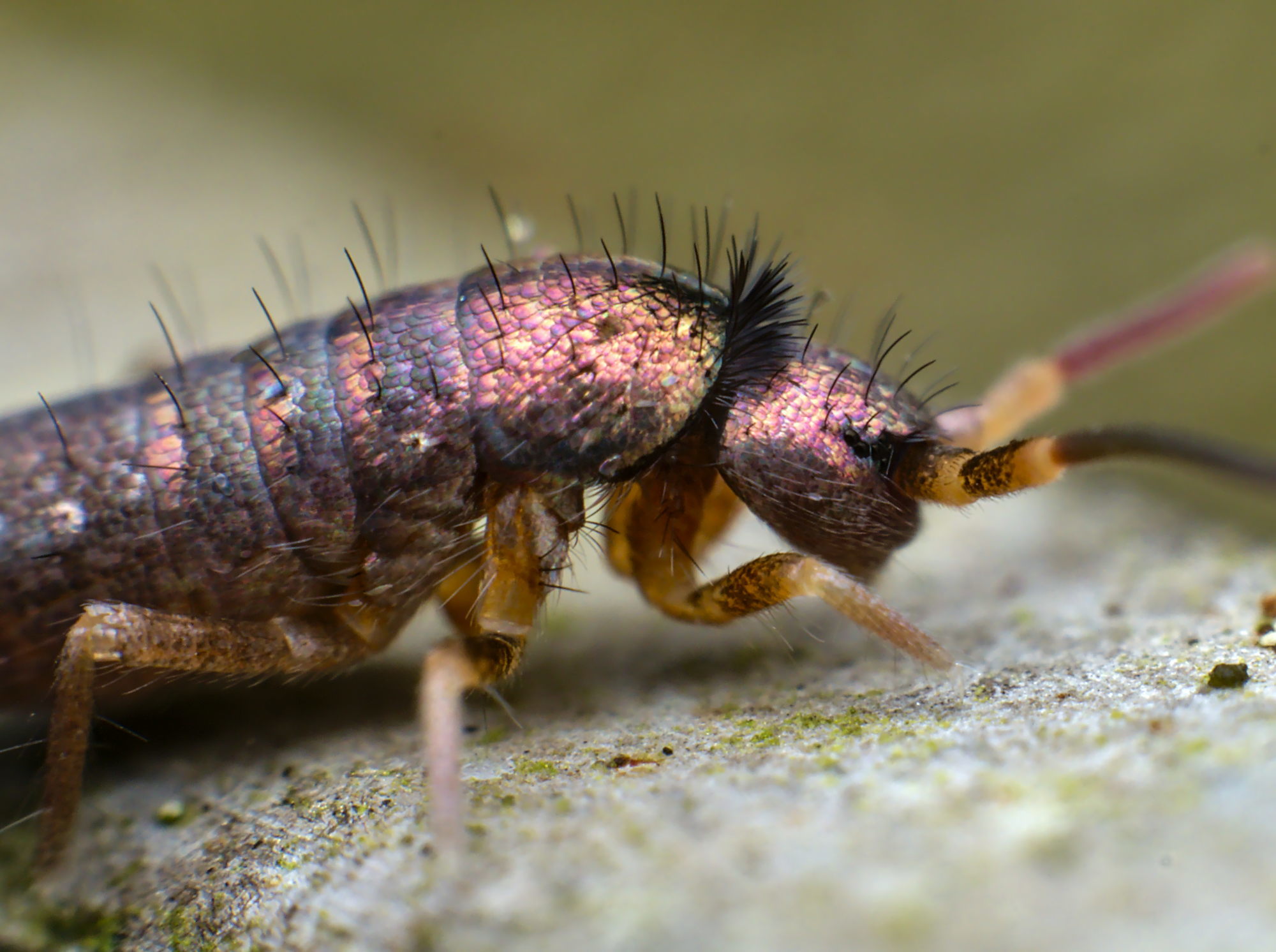
Springtails are tiny, wingless hexapods, usually 0.5 to 3 millimeters long. Their bodies may be round or elongate, often covered in fine hairs or scales. Many species are white, but others appear gray, purple, orange, or even iridescent blue. Their most iconic feature is the furcula, a forked tail tucked under the abdomen that lets them leap several times their body length when startled.
Ecological Role:
Among the most abundant animals in soil, springtails graze on fungal hyphae, algae, decaying vegetation, and microbial biofilms. By regulating fungal growth and fragmenting organic matter, they accelerate nutrient cycling and help build fertile, structured soils.
Hobbyist Relevance:
In terrariums, springtails are frontline defenders against mold. They thrive in damp environments and reproduce quickly when provided with food like brewer’s yeast or rice flour. Once established in a tank, they are mostly self-sustaining and rarely need replenishing.

Isopods – The Leaf Litter Tanks

Morphology:
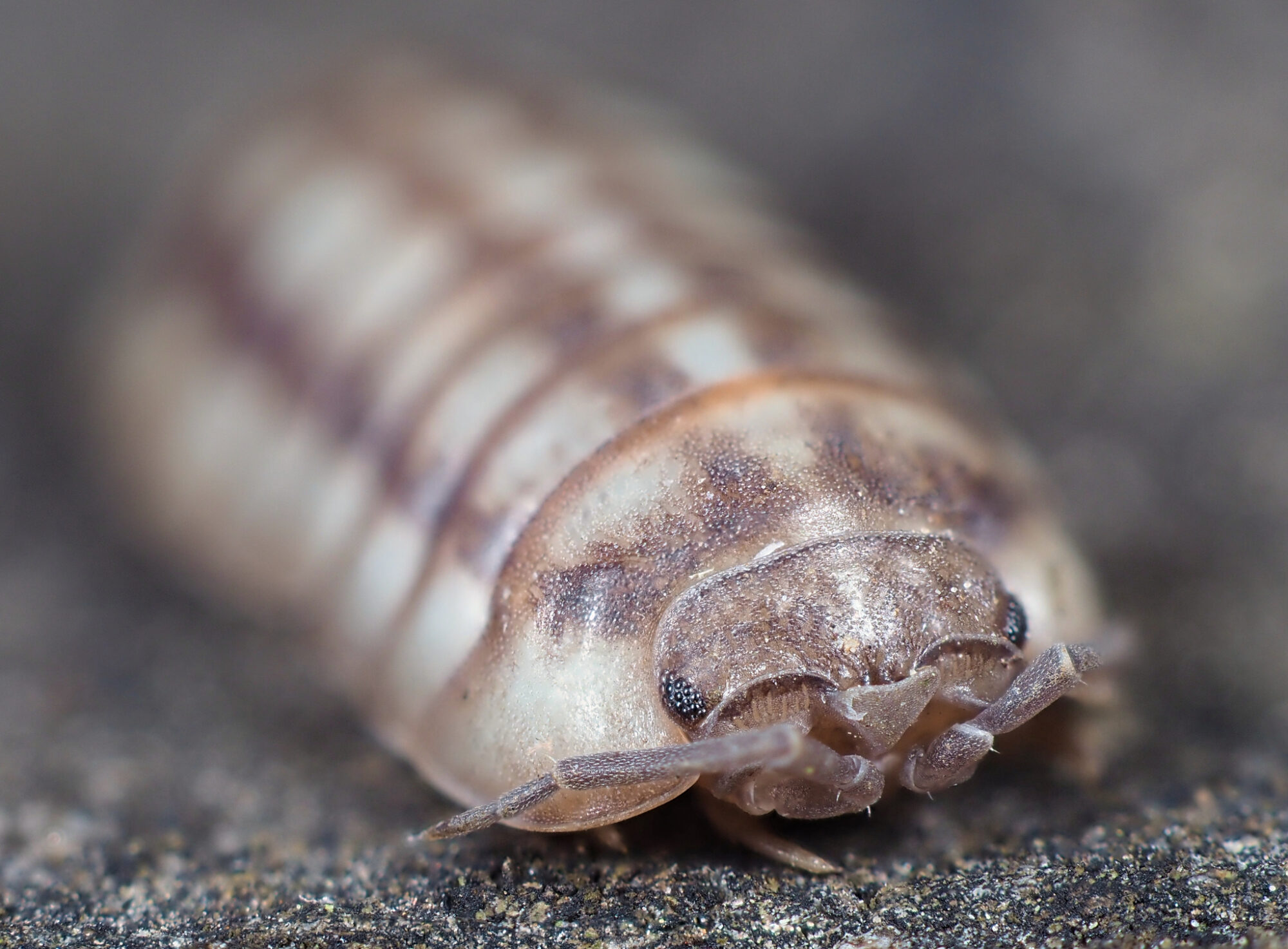
Terrestrial isopods are segmented, oval-bodied crustaceans with seven pairs of legs and overlapping plates. These plates provide both protection and flexibility. Some species roll into a ball for defense, while others remain flat. Sizes range widely, from tiny Trichorhina tomentosa (2–4 mm) to display giants like Porcellio magnificus (over 2 cm).
Ecological Role:
Isopods are master recyclers. They consume decaying leaf litter, rotting wood, bark, algae, and biofilms. By chewing up coarse debris and excreting nutrient-rich waste, they break down material too large for microbes and other mesofauna alone. Their movement also contributes to soil aeration and microaggregation.


Hobbyist Relevance:
In bioactive setups, isopods handle the heavy lifting. They clean up decaying leaves, leftover food, shed skin, and even small carcasses. Dwarf whites are discreet and thrive in humid environments. Larger species are better suited in planted display tanks or often serve as pets themselves. Provide a moisture gradient, plenty of leaf litter, cork bark, and a calcium source such as cuttlebone or eggshell, and they will thrive.
Soil Mites (Acari) – The Hidden Regulators
Morphology:
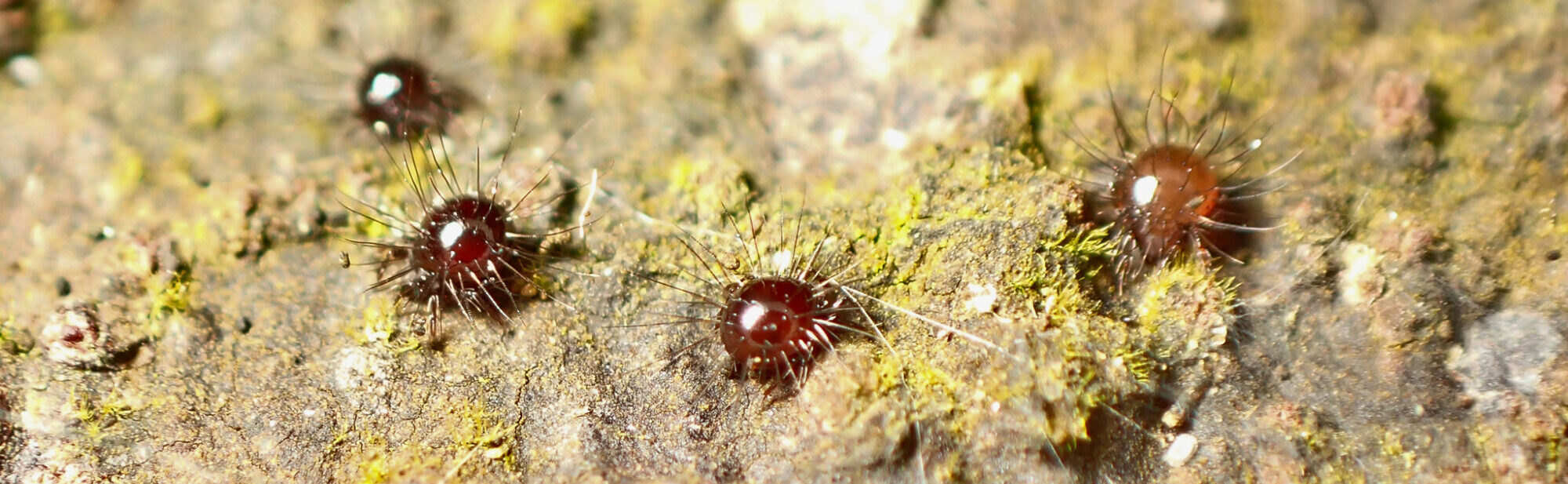
Soil mites are tiny arachnids, usually 0.2 to 2 mm long. Their forms vary widely, from armored species with tough outer shells to nearly invisible soft-bodied types. Most have eight legs, short sensory appendages, and mouthparts adapted for chewing or piercing.
Ecological Role:
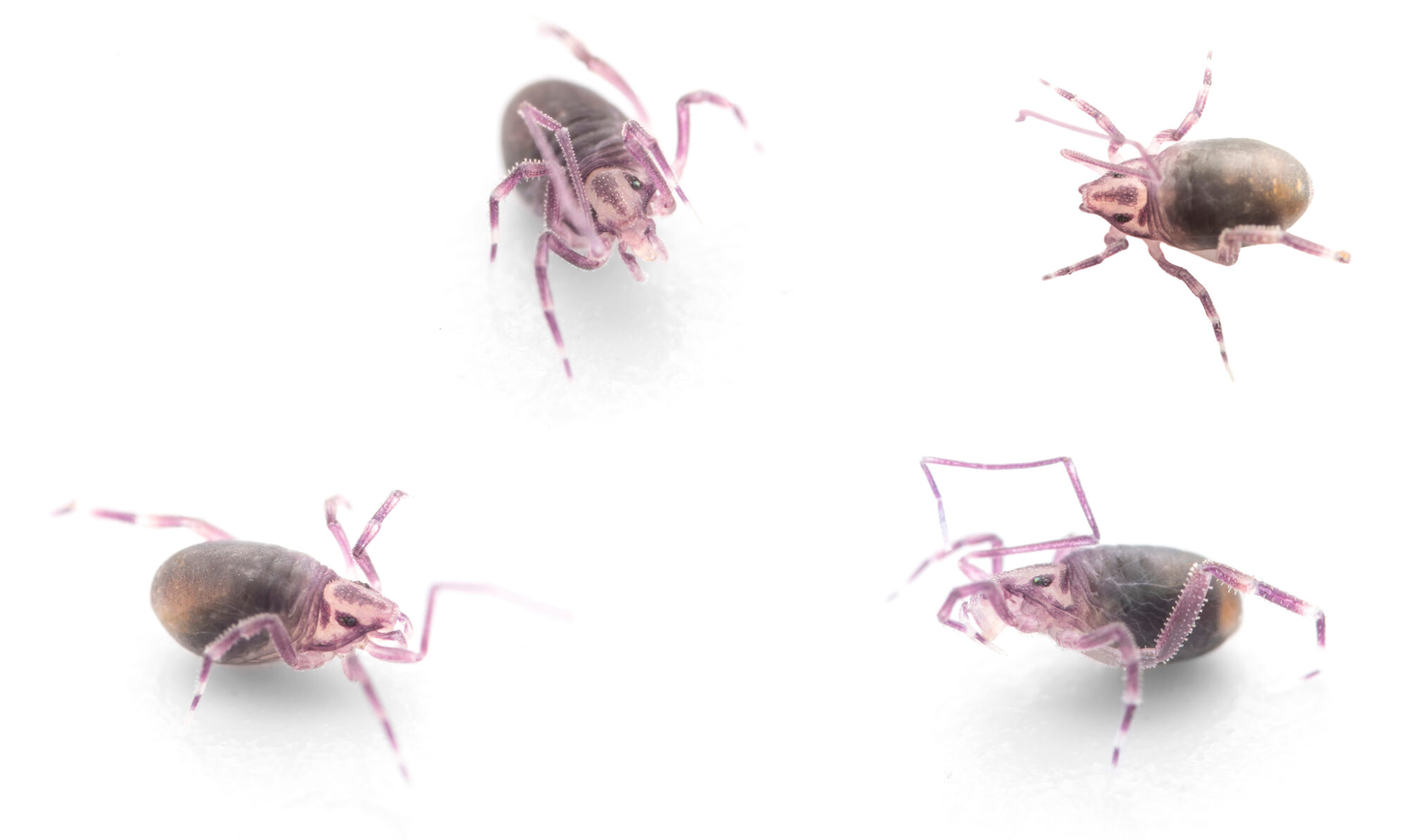
Soil mites occupy an astonishing range of niches. Some are detritivores feeding on decaying plant material and fungi. Others are predators targeting nematodes, microarthropods, and even springtail eggs. They connect the energy of decay to higher trophic levels.

Hobbyist Relevance:
In terrariums, mites often arrive unintentionally with substrate or leaf litter. Far from pests, most species are neutral or beneficial. Decomposer mites recycle waste, while predatory mites suppress fungus gnats or nematodes. A balanced mite population reflects a mature, functioning micro-ecosystem.
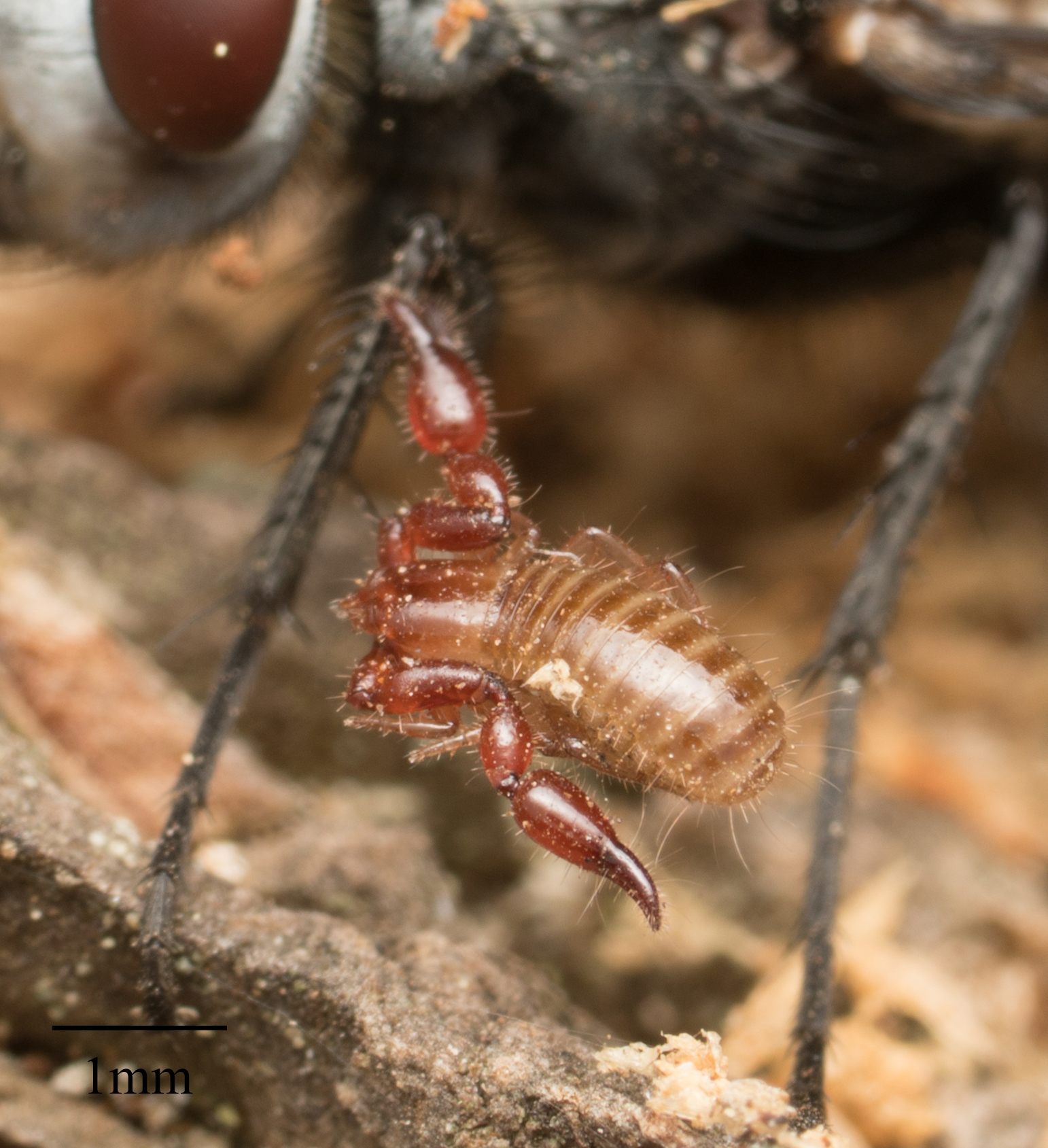
Pseudoscorpions – The Meso Hunters

Morphology:
Pseudoscorpions are tiny arachnids, usually 2 to 8 mm long. They resemble miniature scorpions but lack a tail or stinger. Their defining feature is a pair of large pincer-like pedipalps, often tipped with venom glands. Some species spin silk from glands in their jaws to build protective shelters.
Ecological Role:
These agile predators hunt springtails, mites, nematodes, and larvae. By injecting venom through their pedipalps and releasing digestive enzymes, they neutralize prey and recycle biomass.
Hobbyist Relevance:
Pseudoscorpions sometimes hitchhike into terrariums via wild-collected leaf litter or bark. They provide free pest control and are rarely seen due to their size and secretive habits. Their presence is a sign of a stable, self-regulating environment.
Symphylans – The Root Weavers

Morphology:
Symphylans are slender, white-bodied arthropods that resemble miniature centipedes. Adults have 12 pairs of legs and long, jointed antennae. They are eyeless and unpigmented, relying on sensitive antennae to navigate tight soil pores.
Ecological Role:
Most symphylans feed on decaying plant matter and fungi, contributing to decomposition. Some species also nibble root hairs, especially in nutrient-poor environments. In moderation, they improve aeration. In high numbers, they may damage roots.

Hobbyist Relevance:
Symphylans are rarely introduced intentionally but may arrive with outdoor-collected material. In well-balanced enclosures, their presence is usually harmless. Providing ample detritus and surface area for fungus growth reduces the risk of root nibbling.
Diplurans – Twin Tailed Explorers

Morphology:
Diplurans are pale or white hexapods, 2 to 10 mm long, with long segmented antennae. They lack eyes and pigmentation. At the end of their abdomens are paired cerci, which may be pincer-like or filamentous, used for sensing or capturing prey. Main differentiator from symphylans is their three pairs of legs.
Ecological Role:
Diplurans fill both decomposer and predator roles. Some species consume detritus and fungi, while others use their pincers to capture springtails, nematodes, or mites.
Hobbyist Relevance:
Again, another rarely intentionally introduced species, diplurans sometimes appear in mature vivarium’s with rich substrate. They prefer stable humidity and deep organic layers. Their presence does signal a healthy, functioning ecosystem.

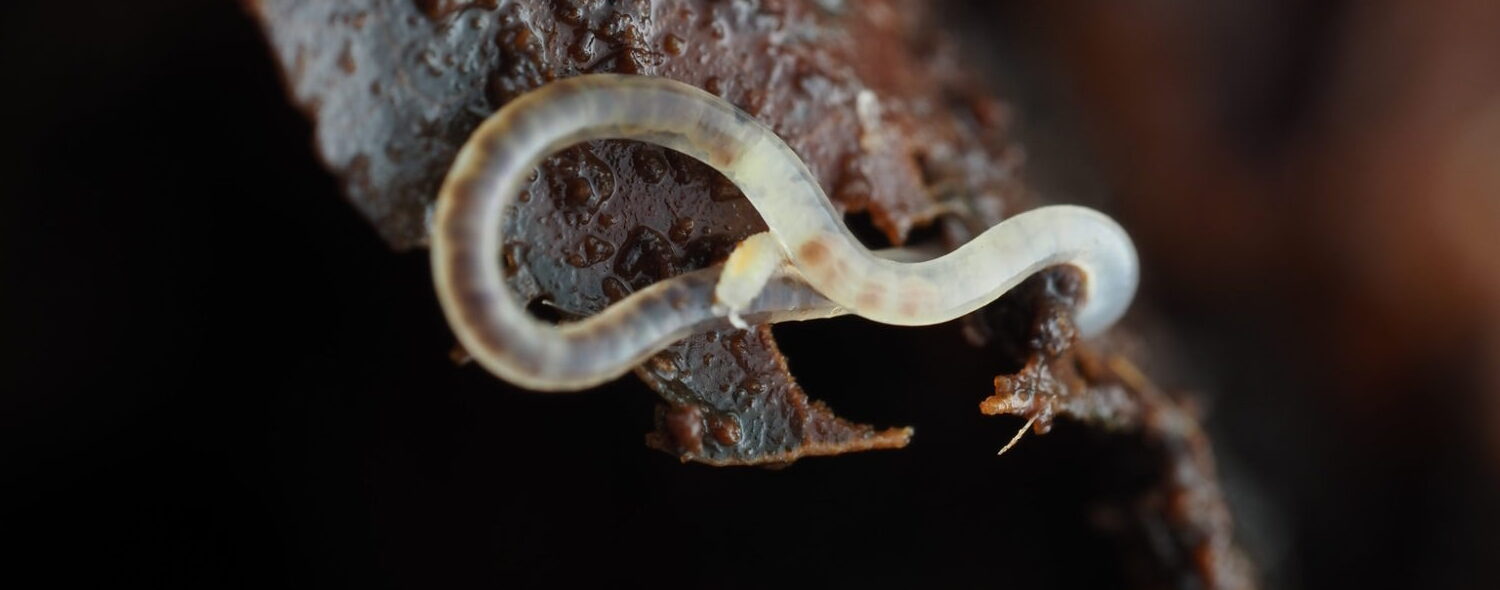
Enchytraeids (Pot Worms) – The Gentle Digesters
Morphology:
Enchytraeids, often called pot worms, are small, thread-like annelids closely related to earthworms. They usually measure 5 to 20 mm and have segmented, soft bodies that move in characteristic undulations.
Ecological Role:
These decomposers feed on decaying plant material, fungi, and microbial films. Their burrowing activity fragments organic matter, and their castings enrich soil with nutrients.

Hobbyist Relevance:
In terrariums, enchytraeids often arrive with moss, litter, or live soil. They thrive in damp, low-disturbance environments. They rarely pose problems and are generally helpful in breaking down soft organic matter.
Nematodes – Nature’s Endless Threads

Morphology:
Nematodes are unsegmented roundworms with cylindrical, threadlike bodies that taper at both ends. Most are microscopic, though some free-living species reach several millimeters and parasitic forms can stretch meters in length. They are colorless, move with thrashing motions, and are found in nearly every environment on Earth, from garden soil to miles underground.
Ecological Role:
Nematodes occupy nearly every feeding niche, from bacterial grazers and detritivores to predators and parasites. Their diversity makes them key players in nutrient cycling and microbial regulation. Because they are so abundant and responsive to change, they are widely used as bioindicators of soil health. Recently they have been utilized as a form of natural biological control agent against weeds due to their gall forming; decreasing their competitive fitness.
Hobbyist Relevance:
In terrariums, most nematodes are harmless recyclers that process waste and microbial growth. Large visible blooms usually signal overfeeding or excess moisture but are not inherently dangerous. Parasitic species are rare in captive systems, leaving nematodes to serve mainly as quiet allies in soil balance.

Beyond the Familiar Cast
Springtails, isopods, mites, pseudoscorpions, symphylans, diplurans, enchytraeids, and nematodes form only a glimpse of mesofaunal diversity. For every group named here, dozens more remain in the wings: thrips feeding on spores, larval beetles tunneling through humus, velvet mites pulsing through mosses, and rotifers spinning like microscopic cogs in droplets of soil water. The sheer scale is staggering.
Mesofauna do not just fill niches. They build them, maintain them, and pass them along. They are the custodians of decomposition, landscapers at the meso-scale, and keepers of balance. Whether you are walking in a rainforest or tending a terrarium, beneath every footprint lies a layered story of life recycling, restructuring, and refining. Soil is never just dirt. It is crowded.
Curious about mesofauna and other soil dwelling creatures? Check out our Species Profiles!
Mesofauna and Humanity – Why We Should Care

Mesofauna are easy to overlook. Most of us would never appreciate one without a magnifying lens or macro camera. Yet their influence radiates outward, from the grains of soil beneath our feet to the food on our plates and the stability of the ecosystems we depend on. They serve as the connective tissue of terrestrial life, silently sustaining systems we often take for granted.
Allies in Agriculture
For farmers and ecologists, mesofauna are allies in every field. They maintain soil aeration and porosity without machines. They recycle nutrients faster than fertilizer alone. They support the microbial partners that plants rely on for growth. When mesofauna disappear because of over-tillage, pesticide exposure, or monoculture practices, the consequences are immediate. Fertility declines, disease pressure rises, and soils collapse or erode under stress. Protecting mesofauna is not sentimental. It is pragmatic, tied directly to food security and long-term soil health.

Value in Everyday Life
Even in urban environments or potted houseplants, mesofauna make a difference. They balance water retention, reduce root rot, and limit the need for chemical treatments. In classrooms and homes, they offer a window into ecology: living systems that demonstrate decomposition and nutrient cycling in real time.
Every terrarium seeded with mesofauna becomes a miniature laboratory. Observing their activity teaches cycles of life more vividly than any textbook. Hobbyists see firsthand how detritus is recycled, how mold is suppressed, and how a community of organisms maintains balance.
Lessons of Scale
More than anything, mesofauna teach scale. They remind us that big change often begins with small action. That soil is not static. That health, whether of a plant, an ecosystem, or a planet, is built from countless interactions happening in places we rarely look.
To recognize mesofauna is to recognize the invisible threads that tie biology together. If we care about resilience, biodiversity, and regeneration, we must care about them.
How to Observe and Appreciate Mesofauna

Mesofauna are small, secretive, and easily overlooked. Yet with the right tools and a bit of patience, a hidden universe opens up. Whether you are an educator, hobbyist, or simply a curious naturalist, observing these creatures can be easy and provides a direct window into one of Earth’s most fundamental ecosystems.
DIY Berlese Funnel – Extracting Life from Leaf Litter
A Berlese funnel is a classic tool for separating soil and litter organisms. It uses light and heat to drive mesofauna downward, where they fall into a collecting container.
Materials Needed:
- A wide funnel (plastic or metal)
- A mesh screen or cloth (to hold litter)
- A light source such as a desk lamp
- A collecting jar with water for live specimens, or 70% ethanol for preserved ones
- A sample of leaf litter or topsoil


Setup Steps:
- Place the mesh in the funnel to prevent litter from falling through.
- Add leaf litter or soil on top of the mesh.
- Position a light over the funnel. As the material dries and heats, organisms move downward.
- Collect the falling mesofauna in the jar below over 24 to 48 hours.
- This simple setup reveals springtails, mites, pot worms, and other mesofauna that would otherwise remain hidden.
Microscopy Tips – Seeing the Invisible

Most mesofauna can be observed with a basic stereo microscope at 10x–40x magnification. This range provides enough detail to see external features and behavior while keeping a wide enough field of view to track movement. A simple dissecting scope, a Petri dish, and a clean soil or litter sample are usually all you need to get started.
Materials Needed:
- A basic stereo microscope (10x–40x)
- Shallow Petri dish or watch glass
- Small brush or tool for transferring samples
- Adjustable LED desk lamp or ring light
Setup Steps:
- Place a thin layer of soil, litter, or moss in the Petri dish.
- Position the dish under the microscope and adjust focus at low magnification.
- Adjust lighting to reduce glare. Diffuse or angled light works best, while backlighting can reveal internal features in transparent organisms.
- Scan slowly across the sample to find moving organisms.


Macrophotography for Hobbyists

Macrophotography is one of the most rewarding ways to bring mesofauna into focus. Even with basic gear, you can capture detailed images of springtails, isopods, and mites that are otherwise invisible to the naked eye.


Materials Needed:
- Smartphone with a clip-on macro lens or a dedicated macro camera lens
- Shallow dish or natural substrate sample (bark, moss, or leaf litter)
- Tripod or stable surface to reduce camera shake
- Diffused lighting or ring light for even illumination
Setup Steps:
- Place your sample in a stable, well-lit environment.
- Position your camera close to the subject, adjusting focus manually if possible.
- Use natural backgrounds like moss, bark, or soil to provide contrast.
- Reduce movement by briefly cooling highly active organisms such as springtails.
Tips for Better Shots:
- Work slowly and take multiple images; most will be out of focus, but a few will be sharp.
- Diffuse the light source to prevent glare on glossy bodies.
- Use burst mode or short video clips, then select still frames for the clearest captures.
With patience, macrophotography turns a speck of soil into a vivid portrait. These images are not only fun to share but also valuable for identification and citizen science projects. If you’d like to learn more you should checkout this article by Andy Murray over on ChaosOfDelight.
Sharing Your Work:
Share Your Observations
- Upload photos to iNaturalist to help with identification and contribute to citizen science.
- Use Instagram or Pinterest to showcase habitats and build hobbyist communities.
- Join Facebook groups dedicated to springtails, isopods, and bioactive keeping for feedback and insights.
Ethical Collection Practices
- Mesofauna are not infinite resources, and wild collection should always be done with care.
- Take only small samples, and only from areas where populations are clearly abundant.
- Avoid stripping entire layers of leaf litter, which serve as crucial microhabitats.
- Quarantine wild-collected specimens before introducing them into enclosures.
- Return live specimens after observation whenever possible.
- Whenever you can, purchase captive-bred springtails, isopods, and other mesofauna. This reduces pressure on wild populations and ensures species suited for your environment.
Mesofauna in Research – Unlocking the Soil Frontier
For decades, mesofauna were often overlooked in soil studies. Their size placed them in an awkward middle ground: too small for traditional ecological surveys focused on worms and insects, yet too large to fall under microbiology’s microscope.
Only in recent years have they been recognized as essential to understanding soil function. Scientists now use them as bioindicators, track their role in carbon storage, and study their influence on sustainable agriculture. Mesofauna are no longer just considered background players, they are key to unlocking the living processes of soil.
Citizen Science in Action
Citizen science has already reshaped our understanding of mesofauna. The rediscovery of Ptenothrix delongi (see our [Delongi Dilemma Dispatch]) was made possible because hobbyists and naturalists shared photos on platforms like iNaturalist. What began as scattered observations turned into a collaborative correction of a 2,000-ID mistake, showing the real power of hobbyists sharing their work!
From Hidden Players to Research Priorities

Mesofauna’s sensitivity to changes in moisture, pH, and pollutants, along with their presence or absence reflects broader ecological conditions. For example, shifts in springtail or mite populations often signal soil degradation long before changes are visible in plants. Mesofauna also serve as mark species when evaluating insecticide exposure in an area.
Advances in molecular methods have also pushed mesofauna into the research spotlight. DNA barcoding and metabarcoding reveal the astonishing diversity of soil life, uncovering cryptic species that are indistinguishable under a microscope. This is especially important in groups such as Collembola and Acari, where morphology alone struggles to keep pace with diversity.


Climate Change and Soil Carbon
One of the most active areas of research explores the role of mesofauna in global carbon cycling. By fragmenting litter and fostering microbial activity, they influence whether carbon remains locked in soils or escapes into the atmosphere as CO₂. Studies suggest that intact mesofaunal communities contribute to carbon sequestration, making them relevant not only to local soil fertility but also to global climate models.
Agriculture and Sustainable Management
In agricultural systems, researchers investigate how mesofauna respond to different practices. Conventional tillage, pesticide use, and monocultures often reduce their numbers. In contrast, conservation tillage, organic amendments, and diverse cropping systems encourage mesofaunal recovery. Farmers who integrate soil biology into their management strategies are finding that supporting mesofauna improves nutrient cycling, reduces pests, and enhances long-term productivity.

A Frontier Still Opening
Despite progress, mesofauna remain one of the least-studied communities in terrestrial ecosystems. New species continue to be described each year, and entire lineages are still being revised as genetic tools refine our understanding. For researchers, this means mesofauna are not just soil engineers. They are also a frontier for discovery, with insights waiting to reshape how we view the living ground beneath our feet, and in our terrariums.
Conclusion – So What Is Mesofauna?

Mesofauna are more than just a size class. They are vital contributors to soil health, decomposition, and ecosystem function. They live in the wild and in our terrariums. Though often overlooked, their impact is foundational.
To understand mesofauna is to recognize the systems that sustain life on land. It means seeing the connections between fungi, roots, detritus, and the organisms that move between them. Whether you are a hobbyist, an educator, or simply curious, learning about mesofauna deepens your understanding of how life persists beneath the surface.

At Mesofauna.com, we believe these creatures deserve our attention not only for what they do, but for what they reveal about the complexity of the natural world.